You Won’t Believe What I Found Shopping in Cornwall’s Wild Terrain
Cornwall isn’t just cliffs and coastlines—it’s a shopping adventure like no other. I went looking for souvenirs and stumbled upon something way deeper: boutiques tucked into old fishing huts, artisan markets perched on windy headlands, and handcrafted treasures shaped by the land itself. The rugged coastline, sea-blown moors, and historic mining valleys don’t just inspire the products—they are the products. Shopping here isn’t transactional; it’s a journey through place, culture, and resilience. Each item tells a story of tides, terrain, and tradition, crafted not for mass appeal but for meaning. This is retail with roots, where every purchase connects you to a landscape that has shaped generations.
The Landscape That Shapes Everything
Cornwall’s terrain is not merely scenic—it is formative. Stretching across the southwestern tip of England, this peninsula is defined by its dramatic contrasts: sheer granite cliffs that plunge into the Atlantic, hidden coves accessible only at low tide, windswept moorlands dotted with tors, and valleys etched by centuries of mining. These natural features are not just backdrops; they actively shape the region’s identity and economy. The isolation imposed by geography—once a barrier to trade and transport—has become a source of strength, fostering a culture of self-reliance and creativity among local artisans. Cut off from mass production hubs, communities have turned to what the land provides, cultivating a tradition of craftsmanship rooted in necessity and deep environmental awareness.
The region’s geology is especially influential. Cornwall’s bedrock is rich in minerals, most famously tin and copper, which powered an industrial boom in the 18th and 19th centuries. Though the mines are largely silent today, their legacy lives on in the soil, the architecture, and the imagination of modern makers. Abandoned engine houses punctuate the skyline like ancient sentinels, reminders of a time when human labor wrested wealth from the earth. Now, that same earth yields different treasures: sea-polished glass smoothed by decades of tidal motion, driftwood sculpted by salt and wind, and clay deposits that hold the color of stormy skies. These materials are not imported or synthesized—they are gathered, transformed, and celebrated in their natural state.
This intimate relationship between land and livelihood fosters a unique retail ecosystem. Unlike commercial shopping districts driven by foot traffic and branding, Cornwall’s most meaningful stores emerge organically from their surroundings. A converted boathouse in a tidal inlet becomes a gallery for coastal photography. A former stables on a windswept headland houses a weaver who dyes wool with lichens harvested from nearby rocks. Each space feels inevitable, as though it could exist nowhere else. The terrain dictates not only what can be made but also where it can be sold—accessible only by narrow lanes or coastal paths, these shops reward intention over impulse. In doing so, they invite visitors to slow down, observe, and engage with the environment as part of the shopping experience.
From Mine to Market: How Terrain Drives Design
The design language of Cornwall is written in stone, salt, and memory. Local artisans do not simply draw inspiration from the landscape—they collaborate with it. One need only visit a jewelry maker in St. Ives to see this philosophy in action. There, silver settings cradle fragments of crushed mine spoil, their metallic flecks catching the light like captured starlight. These stones, once discarded as industrial waste, are now polished into wearable geology, each piece bearing the unique fingerprint of Cornwall’s mineral history. The transformation is symbolic: what was once extracted for profit is now repurposed for beauty and meaning, reflecting a broader cultural shift toward sustainability and reverence for place.
Ceramics studios across the region echo this ethos. Potters in Padstow and Helston source wild clay from riverbanks and coastal outcrops, firing their wares in kilns fueled by reclaimed wood. The resulting pieces are irregular, earth-toned, and deeply textured—more akin to artifacts than mass-produced tableware. Some glazes are made with seaweed ash, imparting a subtle shimmer reminiscent of the sea at dawn. These objects are not designed for perfection but for authenticity, each imperfection a testament to the hands that shaped them and the land that provided the materials. Even the firing process is influenced by the coastal climate; humidity levels and wind patterns affect how pieces dry and set, ensuring no two are ever identical.
Sustainability in Cornwall is not a trend—it is a survival strategy born of limited resources and environmental exposure. For centuries, coastal communities have lived within the constraints of their environment, repairing rather than replacing, reusing rather than discarding. This mindset permeates contemporary design. Textile artists weave yarn from recycled fishing nets, their patterns mimicking tidal flows and net mending techniques. Candle makers render wax from driftwood collected after storms, pouring it into molds carved from fallen branches. These practices are not performative; they are practical responses to a landscape that gives generously but demands respect. Visitors who purchase such items are not just acquiring goods—they are participating in a cycle of renewal that honors both nature and craft.
Coastal Villages with Character: Where to Shop with Soul
Some of Cornwall’s most memorable shopping experiences unfold in its smallest villages—places where charm is not manufactured but inherited. Mousehole, a jewel of a harbor village nestled along Mount’s Bay, offers a prime example. Its narrow streets, barely wide enough for a single vehicle, wind past whitewashed cottages adorned with flower boxes and fishing nets. Here, boutique shops occupy former net lofts and bait sheds, selling everything from hand-thrown pottery to kelp-based skincare infused with Atlantic minerals. There is no chain retail, no generic souvenirs—only goods that feel intrinsically linked to the sea and the seasons. A jar of seaweed balm purchased here carries more than moisturizing properties; it carries the scent of tidal pools and the touch of local hands.
Further east, Polperro captivates with its labyrinthine lanes and smuggler’s history. Once a hub of illicit trade, it now thrives as a center for ethical craftsmanship. Independent galleries display paintings of storm-lashed shores, while small workshops offer demonstrations of traditional rope-making and sail-mending. One boutique specializes in fisherman-knitwear, using wool dyed with natural pigments extracted from coastal plants. These garments are warm, durable, and deeply connected to maritime heritage—ideal for braving the very elements that inspired them. The village’s layout, with its steep inclines and hidden courtyards, ensures that shopping here is never passive. Each discovery feels earned, a reward for navigating the terrain.
Port Isaac, another gem, has gained fame through television, yet retains its authenticity. Its harbor, sheltered by a natural granite arm, hosts small fishing boats that still bring in daily catches. Adjacent to the quay, a cluster of family-run shops sells smoked fish, Cornish sea salt, and hand-bound notebooks made from recycled maps. A particularly notable store operates from a converted lifeboat station, its shelves lined with books on marine conservation and locally printed linocut prints of seabirds. These locations are not chosen for convenience or visibility; they exist because they belong. The proximity to water, the rhythm of tides, the cry of gulls—all contribute to an atmosphere where commerce feels secondary to connection.
Farmers’ Markets and Pop-Ups: The Pulse of Local Trade
Beyond the villages, Cornwall’s farmers’ markets and seasonal pop-ups pulse with the energy of community exchange. In Truro, the county town, a weekly market transforms the cathedral square into a hub of local enterprise. Stalls overflow with heritage vegetables, free-range eggs, and artisan bread baked in wood-fired ovens. But the offerings extend far beyond food. One vendor sells candles made from beeswax collected from hives on the Lizard Peninsula, their scent evoking wild thyme and heather. Another prints walking maps on fabric woven from recycled fishing nets, merging utility with environmental consciousness. These markets are not mere transactions—they are gatherings, where stories are exchanged as freely as goods.
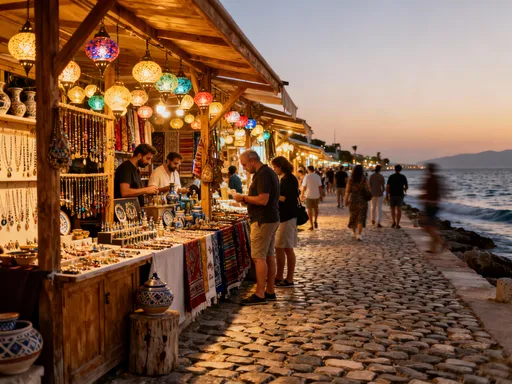
In Penzance, the promenade hosts a summer pop-up market that celebrates Cornish innovation. Here, visitors find jewelry crafted from sea glass gathered along Marazion Beach, its colors softened by years of ocean tumbling. A nearby stall offers natural dyes derived from lichens and seaweed, sold in reusable glass bottles with instructions for home textile projects. The market’s location—facing the Isles of Scilly across the water—reinforces the connection between product and place. Even the timing of these events is dictated by the terrain: many operate only during daylight hours, closing before the evening tide creeps in or the coastal fog rolls over the esplanade.
Newquay’s market, set against the backdrop of a surfing mecca, blends outdoor culture with craftsmanship. While known for its waves, the town also supports a thriving maker scene. Vendors sell waxed canvas tote bags designed for beachcombing, reusable wraps infused with beeswax and pine resin, and hand-stitched neoprene accessories made from repurposed wetsuits. These items reflect the lifestyle of the region—active, outdoorsy, and environmentally aware. Seasonality plays a crucial role: spring markets feature lamb and wild garlic, while autumn ones showcase game, apples, and mushrooms foraged from Bodmin Moor. Each visit offers a different inventory, shaped by what the land yields at that moment.
Hidden Workshops: Meeting the Makers Behind the Products
To truly understand Cornwall’s retail soul, one must step off the beaten path and into the workshops where creation unfolds. On the edge of Bodmin Moor, a potter works in a converted barn, her wheels turning clay sourced from a nearby stream. The walls are lined with shelves of drying vessels, their surfaces marked with fingerprints and the occasional leaf impression. She explains that the clay’s high iron content gives her work a warm, rust-colored hue—“the color of the moor after rain,” she says. Visitors are welcome by appointment, and many choose to stay for a hands-on session, shaping their own small bowl under her guidance. This direct interaction transforms the object from commodity to keepsake, imbued with personal memory and shared effort.
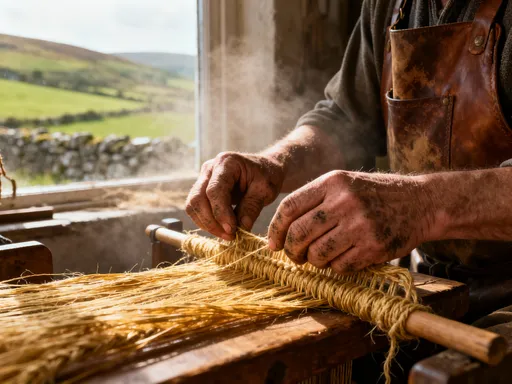
A few miles west, above a secluded cove near Zennor, a textile artist maintains a studio reachable only by footpath. Her workspace, lit by north-facing windows, is filled with skeins of wool dyed in hues extracted from seaweed, bracken, and onion skins. She demonstrates how different tides affect the potency of her dyes—spring tides yield richer pigments due to increased mineral flow. Her scarves and shawls, lightweight yet warm, are sold in select boutiques but also available directly, often accompanied by a handwritten note about the batch’s origin. For customers, this transparency deepens appreciation; they are not just buying fabric but a fragment of Cornwall’s ecological rhythm.
These encounters redefine shopping as an act of relationship-building. When consumers meet the makers, they gain insight into the time, skill, and intention behind each piece. A ceramic mug is no longer just a vessel for tea—it becomes a record of rainfall, clay consistency, and kiln temperature. A hand-knitted sweater embodies hours of quiet labor, wool from local flocks, and dyes pulled from the shoreline. This transparency fosters trust and loyalty, encouraging visitors to return not just for new purchases but for renewed connection. In an age of anonymous consumption, Cornwall offers a counter-narrative: retail as dialogue, as continuity, as belonging.
Practical Tips for Terrain-Informed Shopping
Exploring Cornwall’s unique retail landscape requires preparation and respect for its natural rhythms. The best time to visit depends on the experience sought. Late spring through early autumn offers longer daylight, milder weather, and full market schedules, making it ideal for village hopping and workshop visits. However, the off-season—November to February—has its own rewards: fewer crowds, atmospheric light, and a chance to witness the coast in its most elemental state. Some shops operate year-round, while others close during winter months, so checking opening times in advance is essential, particularly for remote locations.
Transportation is another consideration. While some villages are accessible by car, parking is often limited, and narrow lanes can be challenging for larger vehicles. Local bus services connect major towns and coastal routes, offering a sustainable alternative. For the adventurous, cycling along the Camel Trail or walking sections of the South West Coast Path combines exercise with discovery. Many of the most authentic shops lie just off these routes, rewarding those willing to detour from main roads. Waterproof clothing is a must—Cornwall’s weather shifts rapidly, and a sunny morning can turn into a blustery afternoon with little warning.
When shopping, bring reusable bags and containers to minimize waste. Support true independents by asking about sourcing and production methods—most artisans are happy to share their stories. Avoid stalls selling mass-produced imports labeled as “local,” which dilute the authenticity of the market. Instead, look for items with visible craftsmanship: uneven stitching, natural dyes, or hand-thrown imperfections. Combining shopping with low-impact exploration enhances the experience: spend the morning browsing a farmers’ market, then hike to a quiet beach or explore a heritage trail. This rhythm mirrors the ethos of the region—balanced, intentional, and deeply connected to place.
Why This Kind of Shopping Matters
In a world dominated by fast fashion and global supply chains, Cornwall’s approach to retail offers a powerful alternative. This is not shopping as consumption but as participation—a way to support rural economies, preserve cultural identity, and honor ecological limits. Every purchase made from a local maker contributes to the survival of traditional skills and the sustainability of small communities. It resists the homogenization of commerce, where every high street looks the same, and instead celebrates uniqueness born of geography and history.
Moreover, this model fosters a deeper relationship between people and place. When a visitor buys a piece of jewelry made from mine stone or a scarf dyed with seaweed, they carry home more than an object—they carry a narrative. They become part of a story that includes tides, terrain, and generations of stewardship. This emotional resonance transforms the act of buying into an act of remembrance and respect. It teaches mindfulness, encouraging consumers to consider not just what they buy, but why and how it was made.
Cornwall demonstrates that retail can be regenerative. By grounding commerce in local materials, seasonal cycles, and human craftsmanship, it creates value that extends beyond the transaction. It nurtures pride in place, sustains livelihoods, and invites visitors to engage with the landscape in a meaningful way. As climate change and economic uncertainty challenge traditional models, this terrain-informed approach offers a blueprint for resilient, community-centered economies. It reminds us that the most enduring products are not those designed for obsolescence, but those rooted in earth, effort, and authenticity.
The next time you plan a trip, consider redefining what shopping can be. Seek out places where the land shapes the goods, where makers open their doors, and where every item tells a true story. Let your purchases reflect not just taste, but values—care for the environment, respect for craft, and connection to community. In doing so, you don’t just bring home souvenirs. You bring home meaning.