Bariloche’s Iconic Buildings: What Tourists Always Get Wrong
You know that postcard-perfect image of Bariloche—alpine chalets, Swiss-style roofs, chocolate shops on every corner? Yeah, I had that dream too. But when I finally arrived, I realized most visitors completely miss the point. They chase the fairytale look without seeing the history, culture, or hidden flaws behind those pretty facades. This isn’t just a pretty mountain town; it’s a place where architecture tells a deeper story. Let me show you what really lies behind Bariloche’s landmark buildings—and what to watch out for.
The Postcard Myth: Bariloche’s Chocolate-Coated Image
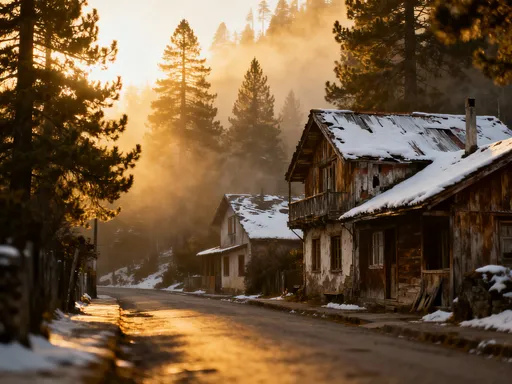
Bariloche is one of Argentina’s most photographed destinations, often portrayed as a whimsical alpine village plucked from the Swiss Alps and dropped beside the deep blue waters of Lake Nahuel Huapi. Travel brochures, social media feeds, and souvenir shops reinforce this image with images of steep wooden roofs dusted with snow, smoke curling from stone chimneys, and rows of chocolate boutiques with cursive signage. The city’s official tourism branding leans heavily into this aesthetic, promoting Bariloche as a place where European charm meets Patagonian wilderness. But this carefully curated image masks a more complex reality.
The truth is, Bariloche’s alpine style was not an organic evolution of local culture but a deliberate architectural choice made during the early 20th century to attract tourism and encourage European immigration. While the chocolate is real—and delicious—the idea that Bariloche is a ‘Swiss transplant’ is more myth than fact. The city’s identity has been shaped by intentional nation-building efforts, not accidental resemblance. Yet many tourists arrive expecting a European escape, only to find a modern Argentine city with mountains in the background. This mismatch between expectation and reality often leads to disappointment or, worse, a superficial engagement with the place.
Photographs of the city’s iconic buildings dominate travel content, but they rarely include the everyday life that unfolds around them—the schoolchildren walking to class, the municipal workers clearing winter snow, the local markets tucked behind the postcard facades. When visitors focus only on the chocolate shops and picture-perfect rooftops, they risk reducing a vibrant, living city to a two-dimensional backdrop. The danger lies not in appreciating beauty, but in mistaking it for the whole story. Bariloche’s charm isn’t in how closely it mimics another culture, but in how it has woven foreign influences into its own unique identity.
The Real Story Behind the Facades: History of Bariloche’s Landmark Architecture
To understand Bariloche’s architecture, one must look beyond the shingles and stonework to the historical forces that shaped them. The city’s development began in earnest in the early 1900s, when Argentina was actively promoting the settlement of Patagonia as part of a national expansion strategy. The government invited European immigrants, particularly from Switzerland and Germany, to populate the region, offering land and incentives. These settlers brought with them construction techniques and design preferences suited to cold climates—wooden frames, steep roofs to shed snow, and stone foundations for insulation.
But it wasn’t just immigration that defined Bariloche’s look. The Argentine state played a pivotal role in shaping the city’s aesthetic. In the 1930s, during a period of growing national pride and cultural identity formation, officials in the National Parks Directorate commissioned buildings that would reflect both grandeur and harmony with nature. The result was a fusion of alpine styles with Argentine craftsmanship, seen most clearly in landmarks like the Llao Llao Hotel and the Civic Center. These were not mere copies of European designs but symbolic statements—proof that Argentina could build world-class destinations in its own remote corners.
The Llao Llao Hotel, completed in 1939, stands as a prime example of this ambition. Nestled on a peninsula with panoramic views of the lake and mountains, it was designed to impress. Its massive stone chimneys, hand-carved woodwork, and symmetrical layout were intended to convey luxury and permanence. At the time, such a project was a bold declaration that Patagonia was not a frontier to be tamed, but a region worthy of elegance and investment. Similarly, the Civic Center, with its clock tower and broad plaza, was built to serve as the administrative heart of the growing town while echoing the formality of European town halls.
These buildings were never meant to be mere tourist attractions. They were part of a broader vision to establish Bariloche as a cultural and economic hub in southern Argentina. Understanding this context transforms how we see them. The Llao Llao is not just a place to take photos—it’s a monument to early 20th-century optimism and national ambition. The Civic Center is more than a pretty square—it’s a symbol of civic order in a once-remote region. When travelers recognize this, they begin to see architecture not as decoration, but as narrative.
Pitfall #1: Chasing Aesthetics Over Authenticity
One of the most common mistakes tourists make in Bariloche is treating its buildings as props rather than cultural artifacts. The quest for the perfect photograph often overshadows any effort to understand what these structures represent. Visitors line up outside the same chocolate shops, pose beneath the same wooden eaves, and post nearly identical images online, rarely asking who built them, why they look that way, or what life is like inside them. This aesthetic tourism—focused on surface beauty—leads to a shallow experience that benefits neither the traveler nor the community.
Take the chocolate industry, for example. Bariloche is famous for its artisanal chocolate, and dozens of shops in the city center cater to tourists with elaborate window displays and free samples. While enjoying local treats is a legitimate part of the experience, few visitors realize that Argentina does not grow cacao. The chocolate is made from imported beans, processed and crafted locally. The real story lies not in the Swiss association, but in the entrepreneurial spirit of local families who turned a foreign product into a regional specialty. By ignoring this, tourists reinforce a myth rather than engaging with reality.
Another example is the near-total absence of recognition for the Mapuche people, the original inhabitants of this region. Long before European settlers arrived, the Mapuche lived in and traveled through northern Patagonia, maintaining deep spiritual and cultural connections to the land. Yet their presence is rarely acknowledged in mainstream tourism narratives. The alpine architecture that dominates Bariloche was built on land that was once part of their ancestral territory. When tourists admire the Swiss-style buildings without considering this history, they participate in a form of erasure—seeing only the newest layer of a much older story.
Authenticity in travel means looking beyond the obvious. It means asking questions: Who lives in these buildings today? Who maintains them? What do they mean to locals? A family-run bakery in a historic wooden house may tell a richer story than a five-star hotel built for visitors. By shifting focus from appearance to meaning, travelers can move from passive observers to thoughtful participants in the culture they are visiting.
Pitfall #2: Ignoring Seasonal & Structural Realities
Bariloche’s architecture is designed for a challenging environment—high winds, heavy snowfall, and extreme temperature shifts. The steep roofs, thick walls, and elevated foundations are not just stylistic choices; they are practical responses to Patagonia’s harsh climate. Yet many tourists arrive unprepared for how these conditions affect their experience. In winter, sidewalks can be icy and treacherous, public transit slows down, and some historic buildings reduce hours or close entirely due to heating costs and low demand. What looks charming in a summer photograph can be inaccessible or uncomfortable in reality.
Another overlooked issue is accessibility. Many of Bariloche’s most celebrated buildings were constructed before modern standards for mobility existed. The Llao Llao Hotel, for instance, has narrow doorways, uneven floors, and multiple staircases, making it difficult for travelers with mobility challenges to navigate. The Civic Center, while open to the public during business hours, lacks elevators and accessible restrooms. These limitations are not flaws in the architecture—they are reflections of their time—but they can lead to frustration when modern expectations collide with historical design.
Additionally, the popularity of certain sites creates logistical problems. During peak season, the main plaza and surrounding streets become overcrowded, making it hard to appreciate the architecture in peace. Lines form at chocolate shops, guided tours sell out weeks in advance, and parking becomes nearly impossible. The very features that make these buildings attractive—their photogenic facades, central locations—also make them vulnerable to over-tourism. When visitors don’t plan for these realities, they risk turning what should be a meaningful experience into a stressful checklist of must-see spots.
Understanding these practical aspects allows for a more respectful and enjoyable visit. Checking opening hours in advance, dressing appropriately for the weather, and visiting popular sites early in the morning or off-season can make a significant difference. It also helps to remember that some buildings are not museums but functioning spaces—offices, homes, schools—that residents rely on daily. Respecting their purpose ensures that tourism supports, rather than disrupts, local life.
Beyond the Postcard: Hidden Architectural Gems Off the Beaten Path
While most tourists concentrate on the downtown area and the lakeshore, quieter neighborhoods reveal a different side of Bariloche’s architectural evolution. Away from the souvenir shops and tour buses, districts like Loma Linda, San Carlos de Bariloche Airport, and the old railway corridor showcase how design has adapted to local needs over time. These areas may lack the dramatic mountain backdrops of the postcard spots, but they offer a more grounded, authentic view of the city.
In Loma Linda, for example, a series of mid-century public buildings—schools, community centers, and municipal offices—reflect a shift toward functional modernism in the 1950s and 60s. These structures prioritize durability and utility, with clean lines, large windows, and integration with the natural landscape. Unlike the ornate alpine style, they were built to serve the growing population, not to impress visitors. Yet they possess their own quiet beauty, especially when seen in the soft morning light filtering through native lenga trees.
The old railway station, though no longer in active use, stands as a reminder of Bariloche’s early transportation links. Built in the 1930s, it features a blend of alpine and industrial design, with wooden beams supporting a wide canopy and simple geometric detailing. Today, it hosts cultural events and local art exhibitions, giving it new life while preserving its historical character. Nearby, the narrow-gauge train tracks have been converted into walking and cycling paths, allowing visitors to explore the area at a slower pace.
Another overlooked site is the Bariloche Atomic Centre, located on the outskirts of the city. While not a tourist destination in the traditional sense, its mid-century modern architecture—low-slung concrete buildings surrounded by forest—reflects Argentina’s investment in science and technology during the 20th century. The complex was designed to blend into the landscape, with minimal visual impact, yet it played a significant role in regional development. Visiting such places requires curiosity and planning, but the reward is a deeper understanding of how architecture serves more than just aesthetic purposes—it supports education, innovation, and community life.
How to Experience Bariloche’s Buildings Like a Local
Experiencing Bariloche’s architecture authentically doesn’t require special access or expertise—it requires intention. Locals don’t visit the Civic Center to take selfies; they go to pay bills, attend meetings, or meet friends in the plaza. They enjoy chocolate year-round, not just as a tourist ritual. To see the city as they do, visitors should adopt a slower, more observant pace. One of the best ways to do this is by joining free walking tours led by architecture students or local historians. These guides often share stories not found in guidebooks—details about construction challenges, family histories, or changes in urban planning.
Another meaningful practice is attending public events in historic spaces. The Civic Center plaza hosts seasonal markets, music performances, and cultural festivals. These gatherings transform formal spaces into living parts of community life. Sitting on a bench during a local concert, listening to Patagonian folk music beneath the clock tower, offers a completely different perspective than visiting the same spot in silence during the day. Similarly, visiting the Llao Llao Hotel for afternoon tea—rather than just photographing it from the outside—allows travelers to appreciate its interior craftsmanship and service traditions.
Photography can still be part of the experience, but it should be done respectfully. Avoid blocking sidewalks or entering private areas for the sake of a shot. Ask permission before photographing people, and be mindful of signage indicating restricted access. Some of the most powerful images come not from posed angles, but from candid moments—a baker opening shutters on a winter morning, children drawing on the pavement outside a school, steam rising from a manhole cover on a cold afternoon.
Finally, engage with local businesses that prioritize heritage. Choose accommodations in family-run lodges rather than international chains. Buy chocolate from small producers who explain their process. Ask questions at museums and visitor centers. These small choices support sustainable tourism and deepen personal connection to the place. When travelers treat architecture as part of a living culture, not just a visual spectacle, they begin to see Bariloche as it truly is—a dynamic city shaped by history, climate, and community.
Conclusion: Seeing Beyond the Fairytale
Bariloche’s iconic buildings are more than scenic backdrops—they are testaments to human ambition, cultural fusion, and environmental adaptation. The alpine style that draws so many visitors was never meant to be a costume, but a solution to specific historical and geographical challenges. By understanding the why behind the what, travelers can move beyond the postcard and engage with the city on a deeper level.
The common pitfalls—chasing aesthetics, ignoring practical realities, overlooking local context—are not inevitable. They can be avoided with awareness, preparation, and respect. Every building has layers: the visible design, the historical conditions that shaped it, and the daily life that unfolds within and around it. To see only the surface is to miss the soul of the place.
Bariloche’s true charm lies not in its resemblance to Switzerland, but in its ability to blend European influences with Argentine identity and Patagonian landscape. It is a city built by dreamers, planners, and ordinary people who wanted to create something lasting in a rugged, beautiful part of the world. When visitors take the time to look behind the facades, they don’t just see architecture—they see stories of resilience, creativity, and belonging.
So the next time you see that perfect photo of a snow-covered chalet beside a glassy lake, pause. Ask what’s beyond the frame. Who built it? Who lives there now? What does it mean to the people of Bariloche? By asking these questions, we stop chasing illusions and start connecting with reality. And in that connection, we find the most authentic travel experiences of all.