You Won’t Believe How Alive Quito’s Culture Really Is
Quito isn’t just a city in the clouds—it’s a living museum where every corner breathes history and creativity. I walked its cobblestone streets not knowing what to expect, and left absolutely stunned by how deeply culture shapes daily life here. From indigenous markets to colonial art, Quito offers authentic experiences that don’t feel staged for tourists. If you're craving real connection through music, food, and tradition, this city delivers in ways you never expected. Let me show you how to experience it like a local.
Arriving in a City That Stands Above the World
Perched high in the Andes at more than 9,300 feet above sea level, Quito is one of the highest capital cities in the world. This elevation shapes everything—from the crisp, thin air that greets visitors upon arrival to the dramatic mountain backdrops that frame the city like a natural amphitheater. Stepping off the plane at Mariscal Sucre International Airport, travelers are immediately immersed in a landscape where the sky feels closer and the pace of life seems more deliberate. The altitude can be felt in the lungs, especially for those unaccustomed to such heights, but it also brings clarity—both literally, in the form of stunning visibility, and metaphorically, in the way it sharpens one’s awareness of surroundings.
Quito’s location along the equator adds another layer to its uniqueness. Despite its high elevation, the city enjoys a remarkably mild and consistent climate year-round. Average temperatures hover between 50 and 68 degrees Fahrenheit, creating a comfortable environment for exploration without the extremes of tropical heat or alpine cold. This balance of cool air and steady sunlight contributes to a sense of timelessness, reinforcing the feeling that Quito exists outside the usual rhythms of modern life. The city’s geography is not just a backdrop—it is an active participant in the cultural experience, shaping how people live, move, and interact with their environment.
The historical significance of Quito further deepens its allure. In 1978, it became one of the first two cities—alongside Kraków in Poland—to be designated a UNESCO World Heritage Site. This recognition was based on the exceptional preservation of its historic center, which spans over 800 acres and contains more than 130 monumental buildings and 5,000 historic homes. But the designation isn’t merely about architecture; it reflects the continuity of cultural practices that have endured for centuries. Walking through Quito, one senses that history is not confined to museums or plaques—it lives in the daily routines of its residents, in the church bells that ring at dawn, and in the farmers who still bring their produce to market on foot.
From the moment you arrive, culture reveals itself in subtle yet powerful ways. Airport shuttles pass through neighborhoods where women in traditional pollera skirts walk to church, and radio stations play Andean folk music between news updates. Public art, including murals depicting indigenous leaders and colonial-era scenes, lines the highways. Even the city’s layout reflects its layered past: the modern northern districts contrast sharply with the tightly woven streets of the old town, where Spanish colonial planning merged with pre-Incan settlement patterns. For the observant traveler, Quito announces its identity not through slogans or billboards, but through a quiet, persistent presence of tradition.
Stepping Into the Soul of Old Town: A Walk Through Living History
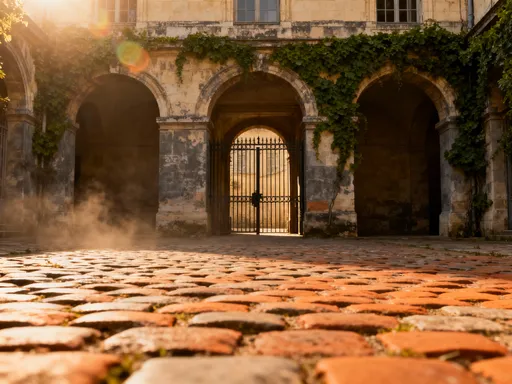
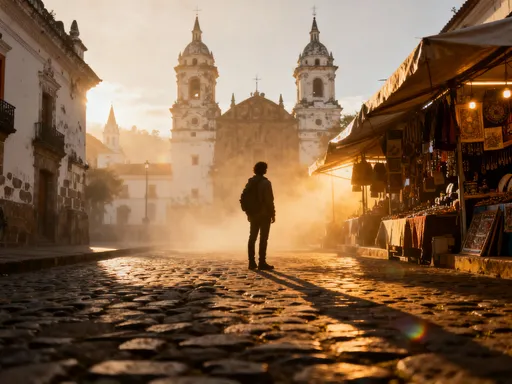
The heart of Quito’s cultural identity beats strongest in its historic center, a maze of cobblestone streets, baroque facades, and sun-dappled plazas that have witnessed centuries of change. Unlike many historic districts that exist primarily for tourism, Quito’s old town remains a fully functioning urban space where life unfolds naturally. Locals commute to work, students rush to class, and grandparents gather in parks—all amidst some of the most impressive colonial architecture in the Americas. This seamless blend of daily life and historical grandeur gives the area an authenticity that is increasingly rare in modern travel destinations.
At the center of it all lies Plaza Grande, officially known as Plaza de la Independencia. This expansive square serves as the political, religious, and social nucleus of the city. On one side stands the Palacio de Carondelet, the presidential residence, where guards in ceremonial uniforms stand watch. Opposite it, the Metropolitan Cathedral houses centuries-old religious art and hosts regular masses attended by both residents and visitors. The Archbishop’s Palace and the City Hall also flank the plaza, underscoring its role as a living institution rather than a static monument. On weekends, families stroll across the manicured lawns, children chase pigeons, and street vendors sell chirimoya fruit and handmade trinkets, turning the space into a vibrant community hub.
Just steps away, the Church of La Compañía de Jesús stops most visitors in their tracks. Its façade, carved entirely from volcanic stone, is an astonishing example of Andean Baroque artistry. Every inch of the front is covered in intricate designs—twisting vines, angelic faces, and geometric patterns that shimmer in the sunlight. Inside, the gilded altar and golden walls create an atmosphere of reverent opulence. Yet despite its grandeur, the church is not a museum piece. Masses are held daily, and locals light candles for loved ones, proving that spirituality remains deeply woven into the fabric of everyday life.
Equally significant is the San Francisco Church and Convent, one of the oldest and most important religious complexes in South America. Built over a pre-Columbian ceremonial site, its construction began in the late 1500s and took nearly 150 years to complete. Today, it functions as both a place of worship and a cultural center, housing an art museum and hosting classical music concerts. The adjacent plaza buzzes with activity—artisans sell crafts, musicians perform, and couples share empanadas on stone benches. The fusion of sacred and social life here illustrates how Quito’s heritage is not preserved behind glass but actively lived and renewed each day.
Markets That Tell Stories: From Otavalo to Local Neighborhood Stalls
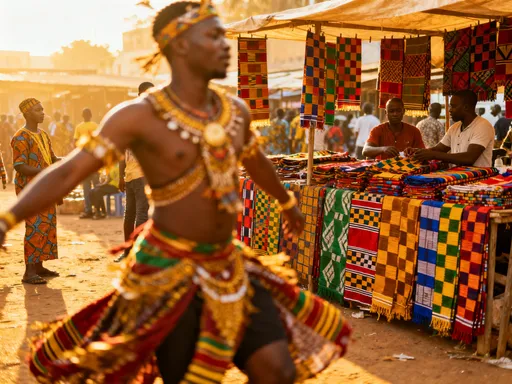
No experience in Ecuador is complete without encountering its market culture, and few places embody this tradition more vividly than the Otavalo Market, located about two hours north of Quito. Every Saturday, the town of Otavalo transforms into a sprawling tapestry of color, sound, and movement as indigenous merchants from surrounding communities set up stalls beneath white canvas tents. The market is renowned for its high-quality handicrafts, especially handwoven textiles made from alpaca and sheep’s wool. Patterns vary by region and family, with each design carrying symbolic meaning—geometric shapes representing mountains, rivers, or ancestral spirits.
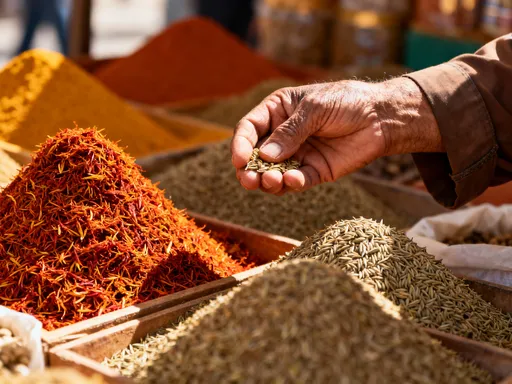
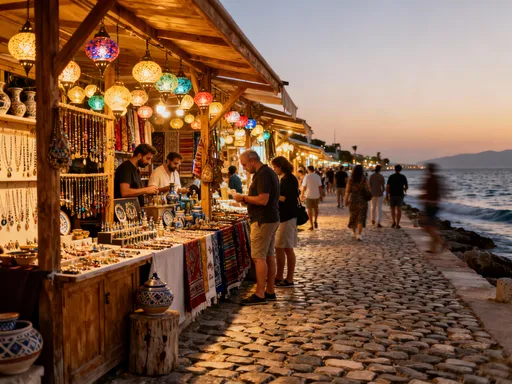
While Otavalo draws international attention, similar energy pulses through Quito’s own neighborhood markets, such as Mercado de San Juan in the heart of the city. Open daily, this indoor market offers a more intimate glimpse into local life. Rows of vendors display fresh produce—purple corn, tree tomatoes, and giant avocados—alongside cuts of meat, spices, and household goods. But it’s the textile and craft sections that reveal the enduring legacy of indigenous artistry. Women in traditional dress sit behind tables draped with embroidered blouses, beaded necklaces, and hand-knit hats, often weaving or knitting as they wait for customers. Conversations in Kichwa, the native language, drift through the aisles, reminding visitors that this is not a performance but a continuation of centuries-old practices.
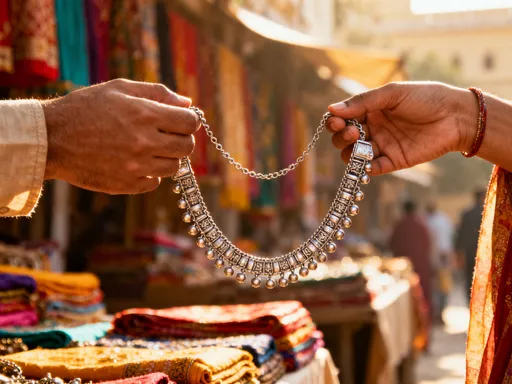
What makes these markets truly special is the opportunity for direct human connection. Unlike impersonal shopping malls or tourist bazaars, Quito’s markets thrive on personal interaction. Vendors welcome questions, share stories about their families, and sometimes offer small samples of food or tea. A simple purchase becomes an exchange of culture—a moment of mutual respect and understanding. For many travelers, these interactions leave a deeper impression than any landmark. They realize that culture is not something to be observed from a distance but something to be engaged with, one conversation at a time.
Supporting these markets also contributes to sustainable tourism. By buying directly from artisans, travelers help preserve traditional crafts that might otherwise fade in the face of mass production. Many of the techniques used—such as backstrap loom weaving or natural dyeing with plants like achiote and indigo—have been passed down through generations. Some families trace their weaving lineage back to pre-Incan times. When visitors take home a handwoven shawl or a painted ceramic bowl, they carry not just a souvenir, but a piece of living history.
Tasting Tradition: How Food Becomes Culture on a Plate
In Quito, food is far more than sustenance—it is a celebration of identity, a bridge between past and present, and a daily ritual that brings families together. The city’s cuisine reflects its complex heritage, blending indigenous ingredients with Spanish influences and Andean cooking methods. Meals are often slow, shared affairs, emphasizing connection over convenience. For travelers, dining in Quito is not just about trying new flavors but about participating in a cultural tradition that values community, seasonality, and craftsmanship.
One of the most beloved dishes is locro de papa, a rich potato soup made with avocado, cheese, and aji (a mild chili pepper). Traditionally served on cold mornings or during religious holidays like All Saints’ Day, this dish originates from the highland indigenous communities. Each family has its own variation, often guarded as a closely held secret. In local fondas—small, family-run eateries—cooks prepare locro in large clay pots over wood fires, releasing an aroma that draws customers from the street. Eating it with a wooden spoon, feeling the warmth spread through your body, becomes a sensory experience rooted in comfort and continuity.
Another staple is empanadas de viento, or “wind empanadas,” named for the way they puff up when fried. These golden pastries are filled with cheese and sometimes a hint of sugar, creating a sweet-savory combination that delights the palate. Found at street corners and markets, they are often eaten as a mid-morning snack. Watching a vendor pull them fresh from a sizzling oil bath, their crusts crackling as they cool, is a small but memorable moment of culinary theater. For many locals, the taste of an empanada de viento brings back childhood memories of school breaks and family outings.
For the more adventurous, cuy—roasted guinea pig—is a traditional delicacy with deep cultural roots. While it may seem unusual to some, cuy has been a source of protein in the Andes for thousands of years and is still raised in homes and small farms. It is typically served whole, crispy-skinned and seasoned with cumin and garlic, accompanied by potatoes and mote (hominy). Though not commonly eaten in urban restaurants every day, it appears during festivals and special gatherings, particularly in rural areas near Quito. When offered respectfully and in cultural context, trying cuy can be a meaningful way to honor local customs and show appreciation for indigenous traditions.
Beyond individual dishes, the act of sharing food defines Quito’s culinary culture. Meals are rarely rushed. Families gather around tables, passing plates and refilling cups of herbal tea. Sunday lunches often last for hours, with multiple courses and lively conversation. Even in modest homes, guests are treated with generosity—extra portions are offered, and second helpings are expected. This hospitality extends to visitors, who are often invited to join meals unannounced. In such moments, food becomes more than nourishment; it becomes a language of welcome and belonging.
Rhythms of the Andes: Music, Dance, and Street Performances
The soul of Quito’s culture pulses most clearly in its music. From the haunting melodies of the quena (Andean flute) to the rhythmic strumming of the charango (a small stringed instrument), sound fills the city’s plazas, churches, and homes. Music here is not entertainment in the commercial sense—it is a form of storytelling, prayer, and communal celebration. It marks the passage of time, honors the seasons, and strengthens social bonds. For travelers, listening to live Andean music is one of the most authentic ways to connect with the city’s spirit.
One of the most distinctive genres is sanjuanito, a lively dance music traditionally performed during the Festival of San Juan in June. Characterized by its upbeat tempo and call-and-response vocals, sanjuanito brings people together in spontaneous circles, where couples twirl in colorful traditional dress. While the full festival takes place in the northern highlands, echoes of it can be heard in Quito’s neighborhood plazas, especially on weekends. Local groups gather to perform, often inviting onlookers to join. No prior skill is required—only willingness to participate. These moments dissolve the barrier between performer and audience, creating a shared experience of joy and rhythm.
Quito also hosts larger cultural events that showcase its musical diversity. The annual Inti Raymi, or Festival of the Sun, rooted in Incan traditions, features processions, traditional dress, and music performed on ancient instruments. Though the main celebration occurs in Cusco, Peru, Quito observes the solstice with its own ceremonies, including dawn gatherings at historic sites like El Panecillo, a hilltop monument offering panoramic views. Similarly, Quito Fest brings together local and international artists in a celebration of urban and folk music, held in open-air venues across the city. These festivals are not staged for tourists—they are community-driven events that reflect genuine cultural pride.
For those seeking more intimate encounters, parks like Parque El Ejido and Plaza de Santo Domingo regularly host free street performances. Musicians play everything from classical guitar to panpipe ensembles, often passing a hat for donations. Some perform in traditional attire, their instruments polished from years of use. Listening to a solo quena player as the sun sets over the Andes, the melody blending with the breeze, can be a profoundly moving experience. In these unscripted moments, travelers often find the essence of Quito—not in grand monuments, but in the quiet beauty of a single note sustained in the mountain air.
Hands-On Culture: Workshops and Local Artisan Encounters
To truly understand a culture, one must do more than observe—it helps to participate. In Quito, a growing number of workshops allow visitors to learn traditional crafts directly from local artisans. These hands-on experiences go beyond souvenir-making; they offer insight into the values, techniques, and histories behind the art. Whether weaving a small textile, shaping clay on a wheel, or painting with natural pigments, participants gain a deeper appreciation for the skill and patience required to keep these traditions alive.
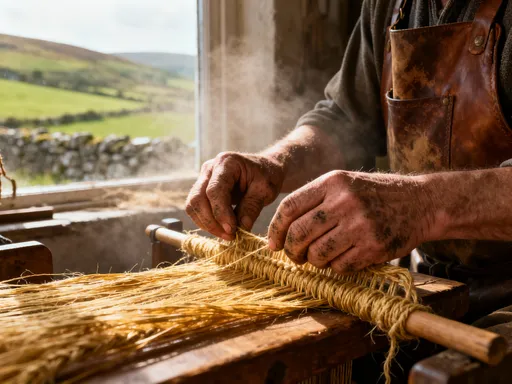
In neighborhoods like Guápulo and Calacalí, small studios and community centers host regular classes. Guápulo, nestled in a ravine just east of the historic center, is known for its artistic community and scenic views. Here, local weavers teach the basics of backstrap loom weaving, explaining how patterns correspond to family lineage and regional identity. Participants choose their colors, learn to tension the threads, and slowly create a simple band or scarf. The process is meditative, requiring focus and repetition—qualities that mirror the broader cultural emphasis on patience and continuity.
Calacalí, a rural parish about 30 minutes from the city, is renowned for its ceramics. Families have been crafting pottery here for generations, using techniques passed down from pre-Columbian times. Visitors can join workshops where they shape clay by hand, carve traditional designs, and paint with natural dyes. After firing in wood-burning kilns, the finished pieces carry both personal and cultural significance. For many travelers, creating something with their own hands makes the experience more memorable than any photograph could capture.
These workshops also support sustainable tourism by providing direct income to local artists. Unlike mass-produced souvenirs sold in gift shops, handmade items from community studios ensure that economic benefits stay within the community. Travelers leave not only with a unique keepsake but with the knowledge that their participation helped preserve a cultural practice. More importantly, they carry a personal connection to the people and places they encountered—a bond that lasts far beyond the trip itself.
Beyond the Tourist Trail: Finding Quiet Cultural Gems
While Quito’s major attractions are well worth visiting, some of the most meaningful experiences happen off the beaten path. Away from the guidebooks and tour groups, quiet cultural gems await those willing to explore with curiosity and respect. These moments—attending a neighborhood procession, browsing a community library, or watching a local theater performance—are often unplanned, unadvertised, and deeply authentic.
In the parish of Guamaní, for example, residents continue the tradition of Semana Santa (Holy Week) processions with solemn, homegrown devotion. Unlike the elaborate parades in larger cities, these events are modest and intimate, organized by local churches and families. Statues of saints are carried through narrow streets as hymns are sung and candles flicker in the evening air. Visitors are welcome to observe, provided they do so quietly and respectfully. Such moments offer a rare glimpse into the spiritual life of ordinary Ecuadorians, where faith is lived rather than performed.
Smaller museums also provide insight into lesser-known aspects of Quito’s culture. The Museo de la Ciudad, housed in a restored colonial building, traces the city’s evolution through photographs, artifacts, and oral histories. Exhibits include everything from vintage streetcars to recordings of market vendors’ calls, preserving sounds and stories that might otherwise be forgotten. Similarly, the Museo Fray Pedro Gocial showcases religious art in a serene, contemplative setting, allowing visitors to engage with spirituality on a personal level.
Community theaters, such as Teatro Sucre’s outreach programs, present plays in Spanish and Kichwa that address local issues and folklore. Performances are often held in neighborhood plazas or school auditoriums, with minimal staging but maximum emotional impact. Attending one of these shows offers a window into contemporary Ecuadorian life, where tradition and modernity intersect in complex and meaningful ways.
These quieter experiences remind travelers that culture is not a spectacle to be consumed but a way of life to be respected. They require patience, openness, and a willingness to slow down. Yet for those who seek them, they often become the most cherished memories—moments when the world feels smaller, more connected, and profoundly human.
Conclusion
Quito’s culture is not something you simply see—it is something you feel in the cool mountain air, taste in a steaming bowl of locro, hear in the echo of a distant flute, and share in a smile with a market vendor. It is alive, dynamic, and deeply rooted in everyday life. This city does not perform for visitors; it invites them to participate, to listen, and to connect. Its beauty lies not only in its colonial churches or colorful textiles but in the continuity of traditions that have survived centuries of change.
For travelers, especially those seeking meaningful, enriching experiences, Quito offers a rare opportunity: to move beyond checklist tourism and engage with a culture on its own terms. By approaching the city with curiosity, respect, and an open heart, one can discover that true enrichment comes not from collecting sights, but from building connections. In Quito, every interaction—whether over food, music, or craft—becomes a thread in a larger tapestry of shared humanity. Let this be your invitation to explore not just a destination, but a way of life that continues to thrive, one authentic moment at a time.