Lost in the Magic of Granada’s Most Unforgettable Views
Have you ever stood somewhere so breathtaking it made you forget to breathe? That’s Granada. Nestled at the foot of the Sierra Nevada, this Spanish gem blends history, culture, and scenery in a way that feels almost unreal. From the first glance at the Alhambra glowing at sunrise to quiet strolls through hidden Albayzín alleys, every moment here is painted with magic. The city breathes stories through its cobblestone streets, Andalusian courtyards, and centuries-old watchtowers. I’ll take you through the spots that defined my journey—real, practical, and absolutely unforgettable. This is not about ticking boxes, but about feeling the soul of a place that has welcomed travelers, poets, and dreamers for generations.
The Alhambra at Sunrise – Why Timing Changes Everything
Experiencing the Alhambra is more than a visit to a UNESCO World Heritage Site—it is stepping into a living poem carved in stone and water. While many arrive midday to find long queues and bustling courtyards, those who rise early are rewarded with something far more intimate: silence, golden light, and the sensation of having history all to oneself. The Nasrid Palaces, with their intricate stucco work and delicate arabesques, come alive in the soft morning glow. Shadows stretch across the courtyards like whispers of the past, and the fountains in the Court of the Lions seem to sing in the stillness.
Timing is everything. Arriving at opening time, typically around 8:30 a.m., allows visitors to move through the complex before the crowds arrive. This is not only more peaceful but also more comfortable, especially in summer when Granada’s heat intensifies by mid-morning. The Generalife gardens, once the summer retreat of the Nasrid rulers, are particularly enchanting at dawn. Paths lined with cypress trees lead to quiet terraces where the scent of jasmine lingers in the air. The contrast between sunlight and shade creates a rhythm that mirrors the balance found in Moorish design—order and beauty in harmony.
Practical preparation enhances the experience. Tickets for the Alhambra must be booked months in advance, especially during spring and autumn, when tourism peaks. The official website is the only reliable source for timed-entry passes, and it is wise to select a morning slot. Comfortable walking shoes are essential, as the site spans over 700,000 square meters with uneven terrain. Starting at the Puerta de la Justicia, the historic main entrance, allows for a logical and scenic progression through the Alcazaba, the Nasrid Palaces, and finally the Generalife. This route follows the natural flow of the hillside and ensures that the most iconic views unfold gradually, building anticipation with every step.
What makes the Alhambra unforgettable is not just its grandeur, but the way it connects the observer to a deeper sense of time and place. The craftsmanship, the quiet courtyards, the way light filters through latticed windows—each detail invites reflection. By choosing to visit at sunrise, travelers do more than avoid crowds; they honor the spirit of the place. They witness the Alhambra not as a museum exhibit, but as a living monument, still breathing the air of poetry and contemplation.
Mirador de San Nicolás – Sunset, Views, and Local Vibe
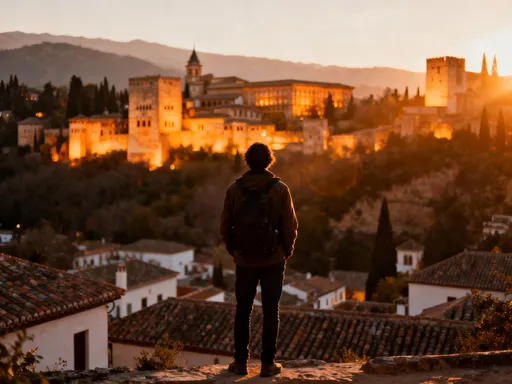
No view in Granada captures the imagination quite like the one from Mirador de San Nicolás. Perched in the heart of the Albayzín, this famous viewpoint offers a panoramic vista of the Alhambra, framed by terracotta rooftops and the distant peaks of the Sierra Nevada. As the sun dips below the mountains, the entire fortress complex glows in warm amber light, creating a scene so iconic it has been reproduced in countless photographs and travel brochures. Yet, no image can fully convey the quiet awe of standing there in person, as the sky shifts from gold to deep violet.
While the mirador is undeniably popular, its charm lies in the balance between spectacle and authenticity. Locals and visitors mingle on the stone terrace, some sipping drinks from nearby bars, others simply sitting in silence. Street musicians often play traditional Andalusian melodies on guitar or flute, adding a gentle soundtrack to the evening. Children run between benches, and couples share quiet moments against the backdrop of one of the world’s most beautiful cityscapes. The atmosphere is lively but not overwhelming, especially if you arrive just before sunset, when the golden hour begins but the evening rush has not yet peaked.
To make the most of this experience, consider pairing your visit with a stop at one of the small cafés or tapas bars just behind the viewpoint. Places like Bar El Bajo or Mirador de Morayma offer outdoor seating with the same view, allowing you to enjoy a glass of local wine or a cup of mint tea without jostling for space on the terrace. These spots are also ideal for lingering after sunset, when the Alhambra is softly illuminated and the stars begin to appear above the mountains.
While the mirador is safe and well-lit, it is wise to remain aware of your surroundings, especially if visiting with children or valuables. Pickpocketing can occur in crowded areas, so keeping bags closed and belongings secure is a simple but effective precaution. For those seeking a quieter alternative, a short walk to Mirador de San Cristóbal offers a similar view with fewer people. Still, San Nicolás remains a must-see—not just for the view, but for the sense of community it fosters. It is a place where strangers smile at each other, where the beauty of the city becomes a shared experience.
The Hidden Paths of the Albayzín – Beyond the Postcard
The Albayzín, Granada’s oldest neighborhood, is often described as a maze of narrow streets and whitewashed houses. While this is true, it only scratches the surface of what makes this district so special. Beyond the main tourist routes lie quiet alleys, hidden courtyards, and lesser-known viewpoints that offer a more personal connection to the city. These paths wind through one of Europe’s best-preserved Muslim quarters, where the legacy of Al-Andalus lives on in the architecture, the rhythm of daily life, and the scent of herbs from open windows.
Wandering without a strict agenda allows for unexpected discoveries. One moment, you might turn a corner to find an elderly woman tending geraniums on her balcony; the next, you could stumble upon a tiny chapel tucked between two houses. The Mirador de San Cristóbal, reachable via a steep but scenic path from Plaza Larga, offers a breathtaking view without the crowds of San Nicolás. From here, the Alhambra appears in profile, rising above the treetops like a dream. Nearby, the Mirador de San Miguel provides a more intimate setting, often shared only with a few photographers or quiet observers.
Exploring these hidden corners requires little more than comfortable shoes and a willingness to get slightly lost. A simple map app on your phone can help you reorient if needed, but part of the joy is in the wandering. Many of the streets are cobbled and uneven, so non-slip footwear is recommended, especially after rain. The best times to explore are early morning or late afternoon, when the light slants through the alleys and the heat of the day has faded.
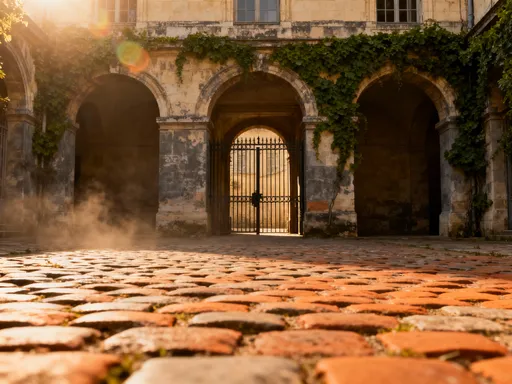
Along the way, pause at one of the neighborhood’s traditional tea houses. Places like Tezina or Al-Andalus offer quiet spaces to rest, sip herbal infusions, and enjoy a piece of honey-soaked pastries. These moments of stillness are just as valuable as the views themselves. In the Albayzín, beauty is not confined to postcard spots—it is found in the texture of the walls, the sound of water in a fountain, and the warmth of a smile from a local shopkeeper. To walk these streets is to experience Granada not as a destination, but as a living, breathing community.
Dar al-Horra – A Quiet Escape with Royal History
Just a short walk from the Alhambra, tucked into the hills of the Albayzín, lies a hidden treasure often overlooked by tourists: Dar al-Horra. This 15th-century Moorish palace, once the residence of Queen Aixa, mother of the last Nasrid ruler Boabdil, offers a rare combination of history, tranquility, and architectural elegance. Unlike the grand halls of the Alhambra, Dar al-Horra feels intimate and personal, a quiet retreat where time seems to slow.
The palace was built as a fortress and residence during the final years of Muslim rule in Granada. Its name, which means “Lady of Freedom,” reflects the status and influence of Queen Aixa, a powerful figure in Nasrid politics. Though much of the original structure has been restored, key elements remain, including the central courtyard with its simple fountain, the remains of a prayer hall, and sections of original stucco decoration. The surrounding gardens are fragrant with rosemary and lavender, and the views over the Darro Valley are serene and unspoiled.
Visiting Dar al-Horra requires no ticket and involves no crowds, making it ideal for travelers seeking reflection and solitude. It can easily be included in a walking route that begins at the Alhambra and descends through the Alcazaba gate into the upper Albayzín. The path is well-marked and takes about 20 minutes, passing through quiet residential streets and offering occasional glimpses of the city below. Along the way, you may see locals tending their gardens or hanging laundry on lines between houses—a reminder that this is not a museum district, but a living neighborhood.
Because it is less known, Dar al-Horra provides a sense of discovery that is rare in popular destinations. There are no guided tours, no loudspeakers, no timed entries—just the quiet presence of history. Sitting on a stone bench in the courtyard, listening to the wind rustle through the trees, one can almost imagine the conversations that took place here centuries ago. For reflective travelers, this is not just a stop, but a moment of connection with the past. It proves that some of Granada’s most meaningful experiences lie off the beaten path.
Sacromonte’s Cave Views and Cultural Soul
Perched on the hill opposite the Alhambra, the Sacromonte neighborhood is famous for its cave dwellings and vibrant flamenco traditions. While many visitors come for the nightly performances in the cuevas, the area offers much more—especially for those who explore during the day. The Camino del Sacromonte, a winding trail that cuts through the hillside, provides some of the most panoramic views in Granada. From this elevated path, the entire city unfolds below, with the Alhambra rising majestically to the left and the Albayzín cascading down to the right.
The trail is well-maintained and accessible to most fitness levels, making it suitable for families and casual walkers. It begins near the Abbey of Sacromonte and follows a gentle ascent through olive groves and wildflowers. Along the way, informational plaques tell the story of the Roma community that has lived in Sacromonte for centuries. Their culture, expressed through music, dance, and craftsmanship, is an integral part of Granada’s identity. The cave homes, carved directly into the soft rock, are not just tourist attractions—they are lived-in spaces, some passed down through generations.
Visiting during daylight hours allows for a safer and more relaxed exploration. The path is mostly shaded, but it is still wise to carry water and wear a hat, especially in summer. There are benches at intervals where you can rest and take in the views. One of the most rewarding moments is reaching a viewpoint just before the Ermita de San Miguel, where the full sweep of Granada is visible under the open sky. It is a perspective that few tourists see, yet it captures the essence of the city’s beauty—layered, historic, and deeply rooted in its landscape.
In the evening, many choose to attend a flamenco show at a reputable venue like Cuevas Los Tarantos or Casa de la Memoria. These performances are not staged for tourists but are authentic expressions of a living art form. The raw emotion, the rhythm of the guitar, the intensity of the dance—these are moments that stay with you long after the music ends. By experiencing Sacromonte both by day and by night, travelers gain a fuller understanding of Granada’s cultural soul.
Sierra Nevada Foothills – Nature Just Minutes from Town
One of Granada’s greatest gifts is its proximity to nature. Just a short distance from the city center, the foothills of the Sierra Nevada rise like a natural fortress, offering fresh air, quiet trails, and sweeping views. Towns like Alfacar and Víznar are easily reachable by local bus or a scenic drive, making them perfect destinations for a half-day escape. These areas are not about dramatic peaks or long hikes, but about reconnecting with the land and enjoying the simple pleasure of walking through olive groves and wildflower meadows.
Alfacar, designated a Biosphere Reserve by UNESCO, is known for its traditional bread and ancient irrigation systems. The walking paths here follow old agricultural routes, where you might see farmers tending small plots or hear the distant call of a shepherd. The air is noticeably cooler and cleaner, a welcome contrast to the city’s warmth. From certain vantage points, you can see Granada spread out below, framed by the mountains that have shaped its climate and culture for centuries.
Víznar, nestled along the Darro River, offers a more secluded experience. The path from the village to the nearby waterfall is gentle and shaded, ideal for families or those seeking a peaceful stroll. Along the way, you may spot kingfishers, dragonflies, or even a fox darting through the underbrush. The river itself is a lifeline, its sound a constant companion on the walk. These natural spaces are not just beautiful—they are restorative, offering a chance to slow down and breathe deeply.
Visiting the foothills requires minimal planning but a few practical considerations. Public transport options include the C-3 bus to Alfacar or the C-1 to Víznar, both departing from Granada’s central bus station. Wearing proper footwear is essential, as some paths are rocky or muddy after rain. Packing water, a light snack, and sunscreen ensures comfort, especially on longer walks. For families, these trips offer educational value as well—children can learn about local ecology, history, and sustainable agriculture in a hands-on way.
The beauty of the Sierra Nevada foothills lies in their accessibility. You do not need to be an experienced hiker or spend a full day to benefit from them. Even a two-hour walk can renew the spirit and provide a new perspective on Granada. These landscapes remind us that the city is not separate from nature, but deeply intertwined with it—a relationship that has shaped its people, its food, and its way of life.
Practical Beauty: How to See More by Slowing Down
In an age of fast travel and packed itineraries, the true magic of Granada reveals itself to those who slow down. The city resists being rushed. Its beauty is not in the number of sights visited, but in the depth of attention given to each moment. Prioritizing quality over quantity transforms a simple trip into a meaningful journey. This does not mean skipping the Alhambra or avoiding the miradores—it means experiencing them with presence, patience, and intention.
One of the most effective ways to slow down is to stay in the historic center. Choosing a small guesthouse or family-run hotel in the Albayzín or near Plaza Nueva allows you to walk to major sites and return for midday breaks. This rhythm—morning exploration, afternoon rest, evening stroll—mirrors the local way of life and helps avoid burnout. It also creates space for spontaneity: a chance conversation, a sudden rain shower that sends you into a cozy café, a street festival you didn’t know about.
Using local buses or walking between zones is not only economical but also enriching. The C-30 bus connects the Alhambra to the city center, while the C-1 runs to Sacromonte and beyond. Walking, when possible, allows you to notice details you’d miss from a car or taxi—the scent of orange blossoms, the sound of a fountain, the way light changes on a wall. These small moments accumulate into a deeper understanding of the city.
Embracing off-peak hours is another key to meaningful travel. Visiting major sites early in the morning or late in the afternoon not only avoids crowds but also reveals a different side of Granada. The streets are quieter, the light is softer, and the atmosphere is more contemplative. This is when the city feels most alive in its subtleties—when you can hear the call to prayer from a cultural center, or see an artisan at work in a small shop.
Thoughtful planning does not mean rigid scheduling. It means creating a framework that allows for both structure and serendipity. It means leaving room for a long lunch, a nap in a garden, or an unplanned detour down a quiet alley. When travelers slow down, they do not see less—they see more. They remember not just the views, but the feelings they evoked. They carry home not just photos, but a sense of connection.
Granada Is More Than a List – It’s a Feeling
The true magic of Granada lies not in its landmarks, but in the quiet moments between them. It is in the first sip of mint tea on a rooftop at dawn, the sound of flamenco drifting through an open window, the way the Alhambra glows after rain. These are the experiences that linger long after the journey ends. The city invites travelers not to collect sights, but to collect sensations—to feel the weight of history, the warmth of community, and the beauty of stillness.
By choosing authenticity over convenience, timing over haste, and mindfulness over speed, visitors do more than tour Granada—they remember it. They learn that the most unforgettable views are not always the most famous ones, and that the deepest connections are often found in the simplest moments. Whether standing at a crowded mirador or sitting alone in a hidden courtyard, the city has a way of speaking to the soul.
Granada is not a checklist. It is a feeling—a blend of light, history, and human warmth that cannot be rushed or replicated. For those willing to listen, to walk slowly, and to look closely, it offers not just beauty, but belonging. And in that sense, every traveler who truly experiences Granada does not just leave with memories—they leave changed.