You Won’t Believe What I Found Shopping for Spices in Rabat
Wandering through Rabat’s sunlit markets, I wasn’t just shopping—I was tasting the city’s soul. The air buzzed with cumin, saffron, and the sizzle of fresh msemen frying on griddles. What started as a simple quest for souvenirs turned into a flavor-filled adventure. From bustling souks to quiet spice stalls tucked down alleyways, every purchase came with a story, a recipe, or a warm “Salam alaikum.” Shopping here isn’t transactional; it’s a sensory journey woven deep into Moroccan daily life.
The Heartbeat of Rabat: Shopping as Cultural Immersion
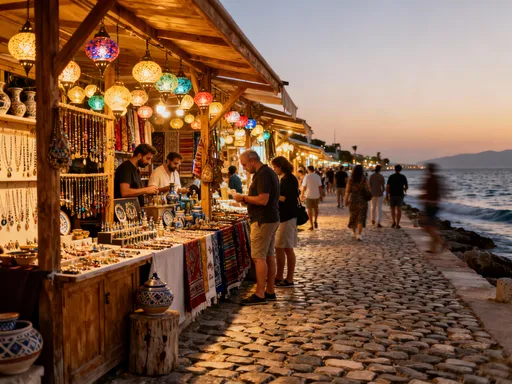
Rabat, Morocco’s graceful capital, reveals its true character not in grand monuments alone, but in the rhythm of its daily markets. The Grand Souk and surrounding market lanes pulse with the energy of a city rooted in tradition yet moving steadily forward. Here, shopping is not a chore or a commercial exchange—it is an act of cultural participation. Women in colorful djellabas haggle for fresh vegetables, elders sip mint tea while discussing the morning’s news, and children dart between stalls clutching paper cones of roasted almonds. The market is a living room, a community center, and a culinary archive all at once.
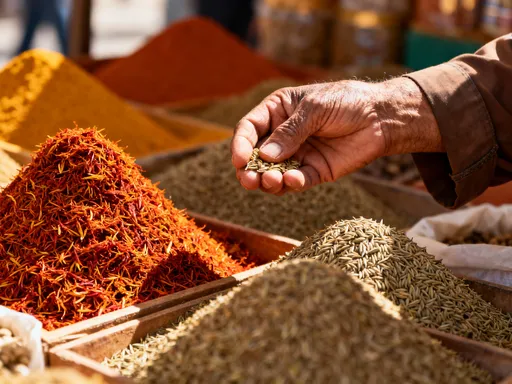
Every sense is engaged the moment one steps into these covered alleys. Sunlight filters through latticework above, casting intricate shadows on mounds of turmeric and saffron. The scent of cumin roasting over coals blends with the sweetness of dried apricots and the sharp tang of preserved lemons. Vendors call out in Arabic and Tamazight, their voices rising and falling like a familiar melody. Baskets of olives glisten in oil, while handwoven baskets and ceramic tagines line the walls, each piece bearing the mark of generations of craftsmanship.
What makes this experience truly transformative is the human connection. Shopkeepers do not rush transactions. Instead, they invite conversation. A simple question about how to use harissa might lead to a ten-minute demonstration with a mortar and pestle. A compliment on a display of argan oil can spark a story about a family’s grove in the Souss Valley. These interactions are not performances for tourists—they are reflections of genuine hospitality, known in Morocco as *karama*. By engaging respectfully, visitors become temporary members of the community, welcomed not just as customers but as guests.
Supporting these small vendors does more than provide souvenirs—it sustains a way of life. Most market sellers are independent artisans or farmers who rely on daily sales to support their families. Their livelihoods are not tied to global supply chains but to local harvests, seasonal shifts, and the trust built over years in the same stall. When travelers choose to buy directly from these individuals, they contribute to a resilient, human-centered economy that values quality, tradition, and relationship over mass production.
From Market to Table: The Role of Food in Rabat’s Urban Fabric
In Rabat, food is not merely sustenance—it is the thread that weaves together family, faith, and festivity. Meals are events, often shared among multiple generations, where stories are passed down as freely as servings of couscous. The rhythm of the city follows the rhythm of the kitchen: early mornings bring fresh bread from communal ovens, midday is marked by the return of workers with parcels of grilled fish or spiced meat, and evenings unfold with slow-cooked tagines simmering for hours.
The markets are the foundation of this culinary culture. Rows of green vendors display fragrant bunches of cilantro and parsley, essential for *chermoula*, the herb-based marinade used on everything from seafood to roasted vegetables. Nearby, jars of preserved lemons—sliced and fermented in salt and lemon juice—offer a bright, complex sourness that defines many Moroccan dishes. Olives, cured in thyme and olive oil, are sold by weight, their deep purple and green hues a testament to the care taken in preparation.
One of the most prized ingredients available is argan oil, a golden liquid produced almost exclusively in Morocco. Harvested from the nut of the argan tree, native to the southwestern regions, this oil is used both in cooking and as a beauty treatment. In Rabat’s markets, vendors proudly display bottles of cold-pressed argan, explaining its benefits with quiet pride. It is often drizzled over *amlou*, a spread made from almonds, honey, and argan oil, traditionally eaten with fresh bread at breakfast.
These ingredients are not imported from distant farms but sourced from nearby coastal villages, mountain valleys, and rural cooperatives. Fish arrives daily from the Atlantic, brought in by small boats that dock before dawn. Vegetables come from the fertile plains surrounding the city, their seasonality reflected in the changing displays at market stalls. This close relationship between land, sea, and table ensures freshness and supports sustainable practices long before the term became a global trend. For visitors, this means every purchase connects them to a larger story of place, people, and tradition.
Navigating the Souks: A Shopper’s Guide to Authentic Experiences
For first-time visitors, the labyrinthine layout of Rabat’s souks can feel overwhelming. Narrow alleys branch off in unexpected directions, and signs are often written in Arabic script, unfamiliar to most foreigners. Yet, this is part of the charm—a journey without a fixed map, where discovery happens around every corner. To make the most of the experience, a few practical tips can go a long way.
The best time to visit the markets is in the morning, between 8:00 and 11:00 a.m. This is when the air is cool, the stalls are fully stocked, and the vendors are most relaxed. By mid-afternoon, many begin to close for rest, especially during the summer months. Weekdays tend to be less crowded than weekends, offering a more intimate opportunity to engage with sellers. Wearing comfortable shoes is essential, as the cobblestone paths can be uneven, and standing for long periods is part of the experience.
Haggling is expected in most non-fixed-price markets, but it should be done with respect and a smile. Begin by asking the initial price, then offer about 60 to 70 percent of that amount. Listen to the vendor’s counteroffer and respond in kind. The goal is not to win the lowest price but to reach a fair agreement that honors both parties. A good rule of thumb is to keep the exchange light and friendly—when both sides are smiling, you’re on the right track. For items with posted prices, such as packaged spices or bottled argan oil, haggling is less common and may not be appropriate.
When selecting spices, look for vibrant color and strong aroma. Freshly ground cumin should be earthy and warm, not dusty or dull. Ras el hanout, the complex spice blend that can contain up to thirty ingredients, should smell rich and layered, with hints of cinnamon, cardamom, and cloves. Vendors often allow customers to smell or even taste a small amount before buying. Quality can vary, so it’s wise to purchase from stalls where the spices are stored in clean, sealed containers and where the vendor seems knowledgeable and passionate.
Safety in the souks is generally excellent, especially in Rabat, which is known for its calm and orderly atmosphere. Pickpocketing is rare, but it’s still wise to keep valuables secure and maintain awareness of surroundings. Families with children will find the markets welcoming—many vendors offer small treats to young visitors, and seating areas are often available near tea stalls. For those with mobility concerns, some sections of the souk may be challenging due to steps or narrow passages, but assistance is usually available upon request.
Spices, Stories, and Shared Recipes: Human Connections Behind the Stalls
Some of the most memorable moments in Rabat’s markets happen not at the point of sale, but in the quiet exchanges that unfold between them. One morning, while examining a jar of saffron threads, an elderly vendor noticed my hesitation and gently asked if I knew how to use it. Without waiting for a full reply, he began to describe his mother’s method of steeping the threads in warm water before adding them to a chicken tagine. “The color blooms like sunrise,” he said, his eyes crinkling with a smile. He then measured out a small amount, wrapped it in paper, and insisted I take it home to try.
These spontaneous acts of generosity are not uncommon. A spice seller might offer a sample of homemade harissa, explaining how he roasts the chilies over an open flame. A woman selling dried fruits may pour a cup of mint tea and sit beside you while you taste figs from the Tafilalt region. These gestures are not sales tactics—they are expressions of Moroccan hospitality, where sharing food is synonymous with sharing life. In these moments, the boundary between traveler and local dissolves, replaced by a simple human connection over something as universal as flavor.
Knowledge in these markets is passed down orally, often from parent to child. Many vendors learned their trade by standing beside their mothers or grandfathers in the same stalls decades ago. Recipes are not written down but recited during conversations, adjusted by season and mood. One woman described how she varies the amount of ginger in her spice mix depending on the weather—more in winter for warmth, less in summer to avoid overheating. This intuitive, lived wisdom cannot be found in cookbooks, yet it is freely shared with those who show genuine interest.
For the traveler, these interactions transform a simple purchase into a lasting memory. A bag of cumin is no longer just a spice—it becomes a reminder of a man’s laughter, a shared cup of tea, a lesson in patience and balance. These are the souvenirs that cannot be bought in tourist shops: the intangible gifts of connection, understanding, and belonging. They linger long after the journey ends, resurfacing in the kitchen when a familiar aroma fills the air.
Hidden Gems: Off-the-Beaten-Path Food Markets and Local Favorites
Beyond the well-trodden paths of the Grand Souk lie quieter markets known primarily to Rabat’s residents. These neighborhood souks, often located in residential quarters like Agdal or Souissi, offer a more intimate glimpse into daily life. Here, the pace is slower, the crowds thinner, and the experience more personal. There are no guided tours or souvenir stands—only the authentic rhythm of a community feeding itself.
One such market, tucked behind a quiet mosque, opens only on Tuesdays and Fridays. The air is thick with the scent of freshly ground ras el hanout, its warm, floral notes mingling with the smokiness of grilled sardines. Stalls overflow with seasonal produce: plump tomatoes in summer, crisp artichokes in spring, and knobby ginger roots in winter. A man in a white apron stands behind a counter, hand-filling small paper bags with cumin and coriander, each blend made to order. Another vendor offers samples of *bissara*, a creamy fava bean soup traditionally eaten for breakfast, served in disposable bowls with a drizzle of olive oil and a sprinkle of cumin.
What makes these markets special is their authenticity. Without the pressure of tourism, vendors are more relaxed and willing to engage in longer conversations. A woman selling homemade jam might explain how she uses wild thyme honey collected from the hills outside the city. A spice merchant could demonstrate how to toast whole cloves before grinding them for maximum flavor. These moments feel unscripted and real, a rare privilege for the curious traveler.
Visiting these local markets also supports community-based tourism, a growing movement that prioritizes economic equity and cultural preservation. When travelers choose to explore beyond the tourist centers, they help distribute income more evenly across the city. They also gain a deeper appreciation for how Moroccans live, eat, and connect—not as performers of culture, but as its everyday keepers. For those willing to venture a little further, the rewards are immeasurable: not just better prices or rarer finds, but a sense of having been welcomed into the private heart of the city.
Bringing Rabat Home: How to Use Your Culinary Finds
The true value of a market visit becomes clear only when the journey ends and the spices are unpacked at home. A small jar of ras el hanout, once a curiosity in a Moroccan alley, can now transform a simple chicken dinner into a celebration of flavor. These ingredients are not meant to sit on a shelf—they are invitations to recreate and remember. With a few simple techniques, travelers can bring the essence of Rabat into their own kitchens.
Start with the basics. A traditional tagine can be easily adapted to home cooking, even without the earthenware pot. Use a heavy-bottomed skillet or Dutch oven, brown chicken or lamb, then add onions, garlic, and a spoonful of spice blend. Include preserved lemon and green olives for authenticity, or substitute with lemon zest and brined olives if unavailable. Simmer gently for 45 minutes, allowing the flavors to meld. Serve with couscous or flatbread, and finish with a sprinkle of fresh herbs.
For a quick meal, use harissa to elevate roasted vegetables or scrambled eggs. A little goes a long way—start with half a teaspoon and adjust to taste. Cumin and coriander can be toasted and ground for use in soups, stews, or homemade salad dressings. Even a simple cup of tea can become an experience: brew green tea with fresh mint, add a spoon of sugar, and pour from a height to create a frothy top, just as it’s done in Morocco.
Cooking with these ingredients is more than a culinary act—it is a form of cultural remembrance. Each meal becomes a way to reconnect with the sights, sounds, and people of Rabat. Children may ask about the golden spice in the soup, opening a conversation about distant lands and shared humanity. Friends might marvel at the depth of flavor, unaware that each note carries a story of sun-drenched fields, family recipes, and warm greetings in bustling markets. In this way, the journey continues long after the suitcase is unpacked.
Why This Matters: The Bigger Picture of Mindful Travel and Local Economies
Choosing to shop in Rabat’s traditional markets is more than a personal preference—it is a quiet act of ethical travel. Every purchase supports a network of small-scale farmers, artisans, and family-run businesses that form the backbone of the local economy. Unlike supermarkets that source from centralized distributors, these markets rely on regional production, reducing carbon footprints and preserving biodiversity. The tomatoes sold in the souk were likely harvested within hours; the spices, sourced from cooperatives that protect both workers and ecosystems.
Moreover, these markets embody a model of sustainability that predates modern environmental movements. There is little plastic packaging—spices are sold in paper, produce in woven baskets, and bread in cloth wraps. Vendors reuse containers, repair tools, and value longevity over convenience. This circular economy, built on reuse and respect, offers a powerful alternative to the throwaway culture prevalent in many parts of the world.
Mindful consumption also fosters deeper cultural understanding. When travelers take the time to learn about ingredients, ask questions, and engage with sellers, they move beyond the role of observer to that of participant. They begin to see Morocco not as an exotic backdrop, but as a living, breathing society with its own rhythms, values, and wisdom. This shift in perspective is the foundation of responsible tourism—one that honors difference without romanticizing it, and appreciates beauty without commodifying it.
In a world where travel can sometimes feel transactional or fleeting, the markets of Rabat offer something different: a chance to connect, to learn, and to give back. They remind us that the most meaningful souvenirs are not things, but experiences—moments of kindness, flavors that linger, and the quiet realization that, despite our differences, we all gather around the table in search of warmth, nourishment, and belonging.
Shopping in Rabat is not just about what you bring home in your suitcase. It is about what you carry in your heart—a renewed curiosity, a deeper appreciation for craftsmanship, and a lasting connection to a city that welcomes you not as a tourist, but as a guest. The next time you wander through a market, remember: every spice has a story, every vendor a life, and every purchase a purpose. Let your journey be one of mindful discovery, where the simple act of buying cumin becomes a doorway into the soul of a nation.