You Won’t Believe What I Found Hiking Malta’s Hidden Trails
Hiking in Malta? I didn’t think it was a thing—until I actually did it. Turns out, this tiny island packs a serious punch when it comes to raw, untouched nature. I’m talking rugged cliffs, silent valleys, and coastal paths that feel like they were made for wanderers. What I discovered wasn’t just scenery—it was peace, clarity, and some of the most breathtaking natural landscapes in the Mediterranean. If you’re skipping Malta for nature, think again. Beyond the ancient temples and bustling harbors lies a quieter, wilder side waiting to be explored on foot. This is a place where limestone whispers stories of the sea, and every trail leads to a moment of stillness few expect.
Why Malta is a Surprisingly Great Hiking Destination
When most travelers think of Malta, images of Baroque churches, fortified cities like Valletta, or sun-drenched beaches come to mind. Few consider it a destination for hiking, yet beneath its compact size—just 316 square kilometers—lies a surprisingly diverse terrain shaped by millions of years of geological activity. The island’s foundation is primarily globigerina and coralline limestone, formations that have eroded into dramatic sea cliffs, sheltered coves, and deep, winding valleys known locally as wied. These natural corridors create perfect pathways for hikers seeking both challenge and beauty.
Unlike larger countries with vast wilderness areas, Malta’s hiking appeal lies in its accessibility and contrast. You don’t need days to reach remote landscapes—within minutes of leaving urban centers, you can find yourself walking through silent countryside dotted with wild thyme, prickly pear, and ancient stone walls. The island’s topography, though modest in elevation, offers a rich tapestry of micro-environments. Coastal escarpments rise sharply from the sea, while inland valleys cut through the central plateau, creating shaded trails that feel worlds away from the midday heat.
Compared to more renowned European hiking destinations like the Dolomites or the Amalfi Coast, Malta offers a different kind of reward: intimacy. Trails are rarely crowded, signage is increasingly clear, and the sense of discovery is immediate. There’s no need for technical gear or high-altitude preparation. Instead, what you gain is proximity—a chance to walk where locals have for generations, past abandoned farmhouses, hidden chapels, and terraced fields that speak to centuries of quiet stewardship. This accessibility makes it ideal for travelers who want authenticity without extreme exertion.
Moreover, Malta has been steadily investing in sustainable tourism, with official trail networks like the Malta Great Sea Cliffs Trail and the Xlendi to Dingli route gaining recognition for their maintenance and ecological sensitivity. Local environmental groups work alongside government bodies to preserve these paths, ensuring they remain safe and undisturbed. As eco-tourism grows, so does the opportunity for visitors to experience Malta not just as a cultural gem, but as a living, breathing natural landscape worth protecting.
Top Natural Landscapes You’ll Experience on Foot
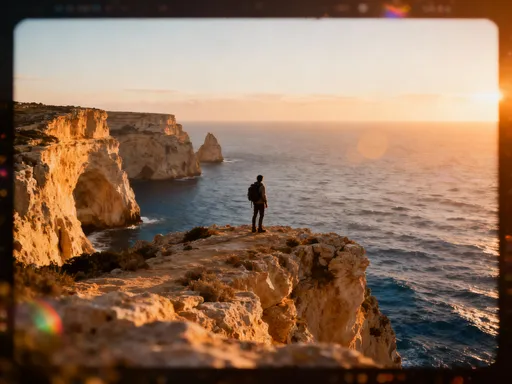
Walking through Malta’s countryside reveals a sensory richness often missed by those who stay on paved roads. One of the most striking features is the island’s coastline, particularly along the western cliffs near Dingli. Here, the land drops nearly 250 meters into the Mediterranean, offering panoramic views that stretch to the horizon. The wind carries the salt of the sea, mingling with the earthy scent of wild herbs like rosemary and sage that cling to crevices in the rock. On quiet mornings, the only sounds are the distant crash of waves and the cry of kestrels circling above.
Equally captivating are the inland valleys, or wiedien, such as Wied il-Għasri in the northwest. This narrow gorge, carved by centuries of water flow, opens into a small pebble beach where the sea gently laps against limestone walls. Walking through it feels like stepping into a hidden world—cool, shaded, and alive with the rustle of lizards and the flutter of butterflies. The texture of the rock underfoot changes constantly: from smooth, sun-warmed stone to rough, pitted surfaces shaped by wind and rain. These details become part of the journey, grounding the hiker in the physical reality of the land.
Another unique feature is the presence of traditional salt pans, especially around Marsaxlokk and Xwejni. These shallow pools, maintained by local salt farmers, glisten under the sun like mirrors, reflecting the sky in shimmering patterns. The process of salt harvesting has remained largely unchanged for generations, and walking near these areas offers a rare glimpse into a disappearing way of life. The smell of brine and damp earth blends with the warmth of the sun-baked stones, creating an atmosphere both ancient and peaceful.
What sets these experiences apart is the contrast between Malta’s well-trodden tourist zones and its untouched natural pockets. Just a few kilometers from busy towns like Sliema or St. Julian’s, you can find silence so complete it feels sacred. Hiking allows you to witness this duality firsthand—how a small island can contain both vibrant urban energy and profound stillness. It’s not just about seeing the landscape, but feeling it: the warmth of the sun on your shoulders, the crunch of gravel beneath your boots, the sudden coolness of shade as you enter a valley. These moments of sensory immersion create memories that last far longer than any photograph.
Best Hiking Trails for Different Levels (Beginner to Adventurous)
One of the great advantages of hiking in Malta is the range of trails available to all fitness levels. Whether you’re looking for a gentle stroll or a full-day adventure, there’s a route that fits. For beginners, the walk from Mdina to Rabat offers a perfect introduction. This 4-kilometer path takes about 1.5 hours at a relaxed pace and winds through the countryside just outside Malta’s ancient capital. You’ll pass old farmhouses, citrus groves, and remnants of Roman-era aqueducts. The terrain is mostly flat, with occasional gentle inclines, making it suitable for families or those new to hiking. Along the way, you can stop at a traditional pastizzeria in Rabat for a savory pastry—a well-earned treat after your walk.
For intermediate hikers, the route from Dingli Cliffs to Buskett Gardens provides a rewarding mix of elevation, shade, and variety. Starting at the highest point on the island, this 7-kilometer trail begins with sweeping views of the Mediterranean before descending into a wooded area planted in the 16th century as a hunting reserve. The first half is exposed, so early morning or late afternoon is ideal to avoid the midday sun. As you move inland, the path becomes shaded by carob and olive trees, offering relief and a chance to spot native birds like the Maltese swift or the hoopoe. The trail ends near the historic Verdala Palace, where you can rest before catching a bus back or continuing to nearby villages.
For the more adventurous, the West Coast Trail is a true highlight. Stretching approximately 12 kilometers from Fomm ir-Riħ to Għajn Tuffieħa, this route connects remote bays, dramatic cliffs, and secluded coves. The terrain is uneven, with rocky sections, narrow ledges, and steep descents requiring careful footing. Hikers should allow 4 to 5 hours to complete it, carrying ample water and snacks. What makes this trail exceptional is its sense of isolation—despite being on a small island, you’ll often feel completely alone, with only the sea and sky for company. Highlights include the natural arch at Fomm ir-Riħ, the red-sand beach of Għajn Tuffieħa, and the chance to spot wild goats perched on cliff edges. This is not a trail for the unprepared, but for those who take the challenge, the rewards are unforgettable.
Each of these trails offers something unique, but they all share one thing: a deep connection to Malta’s natural and cultural heritage. The key to enjoying them is choosing the right route for your ability and preparing accordingly. All trails are marked with official signage—white and yellow arrows—and many are downloadable via apps like Komoot or Maps.me for added security. Regardless of difficulty, the sense of accomplishment at the end of any of these walks is real, and the memories made along the way linger long after the journey ends.
When and How to Hike Malta for the Best Experience
Timing is essential when planning a hike in Malta. The island enjoys a Mediterranean climate with hot, dry summers and mild, wet winters, but the best seasons for hiking are spring (March to May) and autumn (September to November). During these months, temperatures are comfortable—ranging from 18°C to 24°C—and the landscape is at its most vibrant. Wildflowers bloom in the valleys, almond trees blossom in February and March, and the air carries a freshness that disappears in the summer heat. These seasons also bring fewer tourists, meaning quieter trails and a more personal experience.
The best time of day to hike is early morning, ideally starting by 7:00 or 8:00 a.m. Not only does this allow you to avoid the peak heat, but it also offers the most beautiful light for photography and a greater chance of spotting wildlife. Birds are most active at dawn, and the morning mist often clings to the valleys, creating an ethereal atmosphere. If mornings don’t suit your schedule, late afternoon hikes can also be enjoyable, especially along coastal routes where the setting sun paints the limestone in golden hues.
Proper gear is crucial for a safe and comfortable hike. While Malta’s trails don’t require technical equipment, wearing sturdy hiking shoes with good grip is essential, especially on rocky or uneven terrain. Lightweight, breathable clothing in light colors helps reflect the sun, and a wide-brimmed hat and sunglasses offer additional protection. Sunscreen should be applied generously and reapplied throughout the day. Most importantly, carry at least two liters of water per person, as shade is limited on many routes and dehydration can occur quickly, even in cooler months.
Navigation is generally straightforward thanks to Malta’s well-marked trail system, but it’s wise to carry a backup. The official Malta Trails website and mobile apps like Komoot or Maps.me provide detailed maps and GPS tracking, even without internet access. These tools are especially helpful on longer or less-traveled routes where signage might be sparse. Additionally, carrying a simple paper map and compass as a failsafe is a smart precaution. Informing someone of your route and expected return time is also recommended, particularly for solo hikers.
How Hiking Transforms Your View of Malta
For many visitors, Malta is a destination defined by its history—its megalithic temples, medieval fortifications, and maritime legacy. But hiking changes that perception. It shifts the focus from monuments to the land itself, revealing a Malta that is not just culturally rich, but naturally alive. Walking through the countryside, you begin to see the island not as a series of attractions, but as a living ecosystem shaped by time, weather, and human care. The dry stone walls that line the fields are not just boundaries—they are testaments to generations of farmers who worked the land with patience and precision.
One of the most profound aspects of hiking in Malta is the sense of solitude it offers. In a country where space is limited and population density is high, finding quiet can seem impossible. Yet, on the trails, silence is abundant. You might walk for an hour without seeing another person, hearing only the wind, the chirp of crickets, or the distant bleat of a goat. These moments of stillness allow for reflection, for slowing down in a world that often moves too fast. It’s in these pauses that clarity emerges—about the place, and perhaps about yourself.
Hiking also brings you into contact with aspects of Maltese life that are invisible to most tourists. You might pass a farmer tending his fig trees, a shepherd guiding his flock, or an elderly man repairing a section of dry stone wall with practiced hands. These encounters are brief but meaningful, offering a glimpse into a rhythm of life that values continuity and care. The traditional field boundaries, known as habejn, are more than agricultural features—they are cultural markers, preserving a way of life that is increasingly rare.
What’s most surprising is how close these natural spaces are to urban centers. You can finish a demanding hike along the Dingli Cliffs and be in a lively village café within 20 minutes. This proximity makes it easy to combine exploration with comfort, adventure with relaxation. But more than that, it underscores a truth about Malta: its true magic isn’t confined to its museums or churches. It’s in the wild spaces between them—in the wind-swept cliffs, the hidden valleys, and the quiet paths that invite you to walk slowly, breathe deeply, and see the island anew.
Sustainable Hiking: Respecting Malta’s Fragile Environment
As hiking grows in popularity, so does the responsibility to protect Malta’s delicate ecosystems. The island’s natural beauty is not indestructible. Centuries of human activity, combined with modern pressures like tourism and development, have left many areas vulnerable. Erosion is a significant concern, especially along coastal trails where foot traffic can weaken already fragile limestone. In some places, unofficial shortcuts have formed, leading to soil degradation and loss of native vegetation. These impacts may seem small individually, but collectively, they threaten the very landscapes hikers come to enjoy.
One of the simplest and most effective ways to minimize harm is to stay on marked trails. The official paths are designed to distribute foot traffic evenly and avoid sensitive areas. Straying from them, even to get a better view, can damage rare plants like the Maltese rock centaury or disturb nesting sites for birds such as the yelkouan shearwater. These species are protected by law, and their survival depends on careful stewardship. Carrying out all trash—including biodegradable items like fruit peels—is equally important, as even organic waste can disrupt local ecosystems.
Another key practice is avoiding the collection of natural souvenirs. While it might be tempting to take a piece of sea glass or a wildflower, doing so contributes to the degradation of the environment. Every element, no matter how small, plays a role in the balance of the ecosystem. Instead, capture memories through photographs or journaling. These leave no trace and allow future visitors to experience the same beauty.
Supporting local conservation efforts is another meaningful way to give back. Organizations like BirdLife Malta and the Malta Environment and Planning Authority run volunteer programs for trail maintenance and habitat restoration. Participating, even for a few hours, helps preserve these spaces for generations to come. By hiking responsibly, you become part of a larger movement to protect Malta’s natural heritage—not just as a visitor, but as a steward.
Why You Should Add Hiking to Your Malta Itinerary
Hiking in Malta offers benefits that extend far beyond physical exercise. It’s a way to engage with the island on a deeper level—to see it, feel it, and understand it in a way that no tour bus or guided walk can replicate. The physical rewards are clear: improved fitness, fresh air, and the satisfaction of completing a challenging route. But the mental and emotional benefits are just as significant. The rhythm of walking, the focus on breath and movement, and the immersion in nature create a meditative state that reduces stress and enhances well-being.
Culturally, hiking opens doors to a side of Malta that few tourists experience. It connects you to the land and its people, revealing traditions that have endured for centuries. You begin to appreciate the resilience of a small island nation that has thrived through adaptation and care. Whether it’s the sight of a centuries-old habejn wall or the sound of goats echoing through a valley, these moments create a richer, more authentic travel experience.
Most importantly, hiking encourages a slower, more intentional way of traveling. In an age of fast itineraries and checklist tourism, it reminds us to pause, to observe, and to be present. Malta’s true magic isn’t just in its temples or towns—it’s in the wild spaces between them, in the quiet moments of connection with nature and self. These are the experiences that stay with you long after the trip ends.
If you’re planning a visit to Malta, don’t let its size fool you. Pack your hiking shoes, choose a trail that calls to you, and set out to discover the island one step at a time. Whether you walk for an hour or a full day, you’ll find something unexpected—not just in the landscape, but within yourself. The path is waiting. All you need to do is begin.