This Is Noumea: Where Culture Paints the Cityscape
You know that feeling when a city just gets you? Noumea isn’t just another Pacific island capital—it’s a living blend of French elegance and Kanak soul. Walking its streets feels like flipping through a vibrant photo album: pastel buildings, bustling markets, and ocean views around every corner. I didn’t expect the culture to hit me so hard, but here’s the truth—Noumea’s cityscape doesn’t just look good, it speaks. And once you listen, you’ll never see island capitals the same way again.
First Impressions: A City That Defies Expectations
Arriving in Noumea, one is immediately struck by a sense of familiarity tinged with surprise. The city unfolds along the crescent-shaped Baie des Citrons, where soft Mediterranean light bathes wide, tree-lined avenues and colonial-era buildings adorned with bougainvillea. At first glance, it could be a coastal town in southern France—until the rhythm of Drehu or Paicî drifts through the air, or a hand-carved ndua (ceremonial paddle) appears in a shop window. This duality is not accidental; it is the essence of Noumea’s identity. As the capital of New Caledonia, a French overseas territory in Melanesia, the city exists at the intersection of European urban planning and indigenous Pacific traditions.
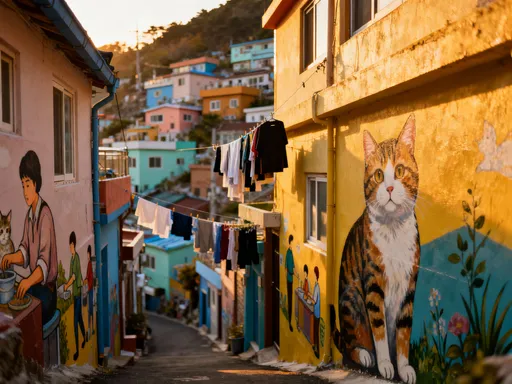
The sensory experience of arriving is layered and rich. The scent of frangipani mingles with salt air, while the distant hum of a gong ceremony echoes from a community gathering. The palette of the city—peach, turquoise, terracotta—is echoed in both its architecture and natural surroundings. But beyond aesthetics, there is a deeper narrative. The colonial past is visible in the grid-patterned streets of the city center and the Haussmann-style facades, yet it coexists with the enduring presence of Kanak culture. Place names like Koumac or Poya appear on road signs alongside French, quietly asserting an older belonging. This contrast does not create tension—it creates texture.
What makes Noumea remarkable is how naturally these identities interweave. Unlike other postcolonial capitals where cultural divides remain stark, Noumea has evolved into a space where heritage is not compartmentalized but integrated. The city does not hide its complexity; it celebrates it. For the traveler, this means every stroll offers more than scenic views—it offers insight. You begin to notice how a market vendor wears both a floral pareo and a Parisian scarf, or how a children’s dance troupe performs traditional temo songs in a modern plaza. These are not performances for tourists; they are daily expressions of who people are. That authenticity is what makes the first impression so lasting.
The Pulse of Place: How Kanak Culture Shapes the Urban Landscape
While Noumea is modern and cosmopolitan, its heartbeat remains deeply Kanak. The indigenous people of New Caledonia, who have lived on these lands for over 3,000 years, continue to shape the city’s character in visible and meaningful ways. Their influence is not confined to remote villages or ceremonial occasions—it is embedded in the urban fabric. From public art installations to bilingual signage and community-led events, Kanak culture pulses through the city like a quiet but steady rhythm.
One of the most powerful expressions of this presence is the Jean-Marie Tjibaou Cultural Centre, located just outside the city in Bourail. Designed by renowned architect Renzo Piano, the center is a masterpiece of cultural architecture, with sweeping wooden canopies that mimic traditional Kanak grand huts. It is not a museum frozen in time but a living institution that hosts exhibitions, workshops, and performances. Visitors walk among artifacts and contemporary art, hearing stories told in Kanak languages and French. The center serves as both a tribute to the late independence leader and a symbol of cultural resilience.
Within the city itself, Kanak identity is present in more subtle but equally significant ways. Street names honor Kanak leaders and ancestral lands. Public parks feature sculptures carved from local wood, depicting ancestral figures and mythological beings. Even the city’s landscaping incorporates native plants used in traditional medicine and ceremony. These elements are not decorative afterthoughts; they are deliberate acts of recognition. For the Kanak community, visibility in public space is a form of dignity and continuity.
Moreover, the city’s institutions increasingly reflect this balance. Schools offer instruction in Kanak languages, and government buildings incorporate traditional motifs in their design. These choices signal a shift—from a colonial model of erasure to a contemporary vision of coexistence. For the visitor, this means encountering a city that does not ask you to choose between French sophistication and Pacific authenticity. Instead, it invites you to appreciate how both can thrive together, each enriching the other.
Markets as Cultural Hubs: Tjibaou Market and the Rhythm of Daily Life
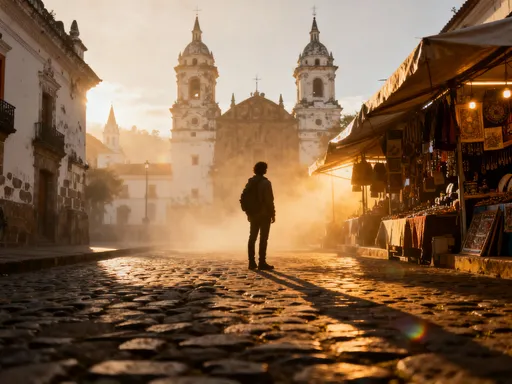
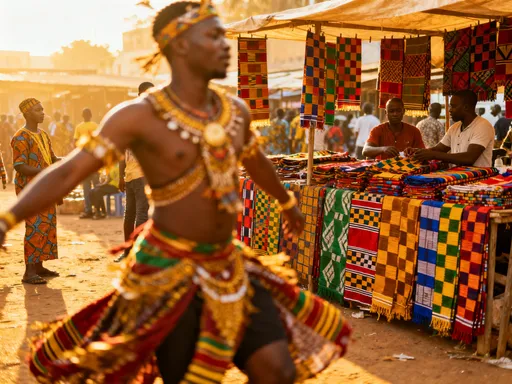
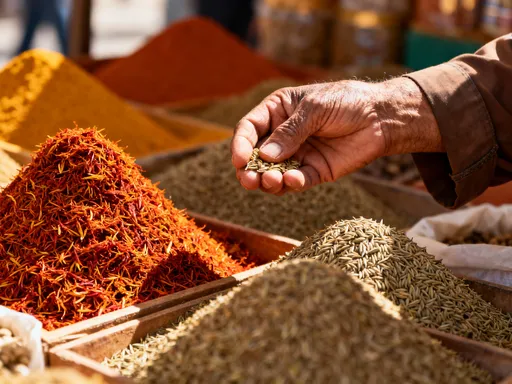
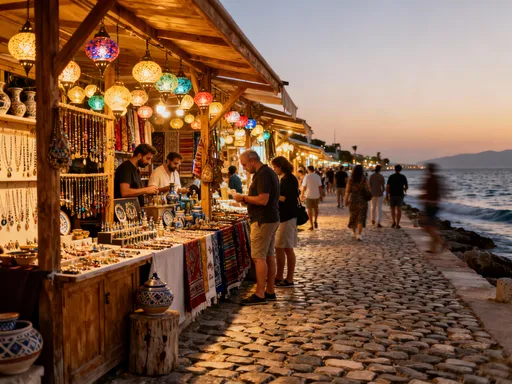
If the soul of a city can be found anywhere, it is in its markets. In Noumea, the Tjibaou Market—named in honor of the Kanak leader—serves as the cultural and social heart of daily life. More than a place to buy food, it is a living theater of language, tradition, and community. Open every morning, the market buzzes with activity: vendors call out prices in French and Kanak dialects, children weave between stalls with baskets in hand, and elders haggle over the freshest catch of the day.
The sensory richness is overwhelming in the best way. Stalls overflow with tropical fruits—mangos the size of grapefruits, spiky ché ché (sea mango), and bright purple nono fruit. Seafood is displayed with pride: red emperor fish, live crayfish, and giant clams still glistening with seawater. But alongside these natural treasures are handcrafted goods that speak of heritage. Woven baskets made from ndjé palm, coconut oil infused with tiaré flowers, and shell jewelry shaped into ancestral symbols—all are made by local artisans, often from nearby villages.
What makes the Tjibaou Market exceptional is its role as a cultural bridge. Tourists come to sample fresh kokoda-style fish (marinated in lime and coconut milk), but they also leave with stories. A vendor might explain how her mother taught her to weave, or a fisherman might describe the traditional method of night fishing with torches. These conversations are not rehearsed; they are spontaneous and genuine. The market does not perform culture—it lives it.
For families, the market is a weekly ritual. It is where recipes are passed down, where news is shared, and where children learn the names of foods in multiple languages. It also supports the local economy in a sustainable way, giving small-scale farmers and craftspeople direct access to consumers. By shopping here, visitors participate in a system that values people over profit. It is a reminder that tourism, when done with respect, can strengthen rather than exploit local traditions.
Architectural Storytelling: From Colonial Bougainvillea to Modern Melanesia
Architecture in Noumea is more than brick and mortar—it is a language of memory and identity. The city’s skyline tells a layered story: of French settlers who arrived in the 19th century, of colonial administration, of wartime occupation during World War II, and of a modern society redefining its place in the Pacific. Each era has left its mark, but rather than erase the past, Noumea has chosen to preserve and reinterpret it.
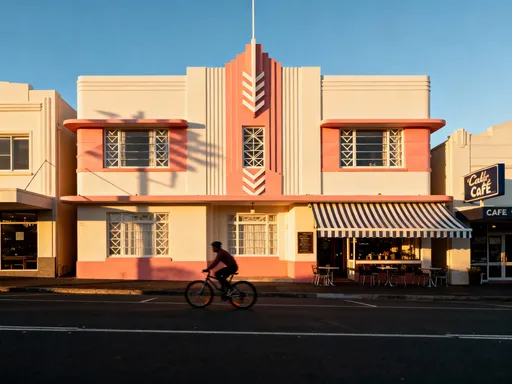
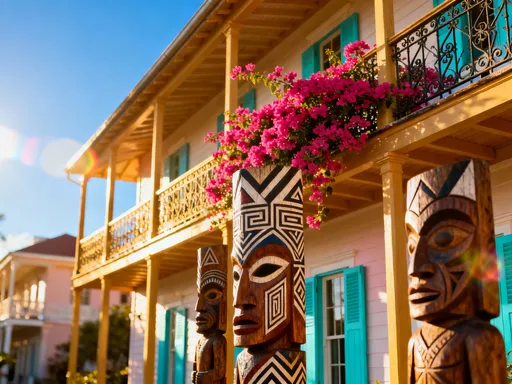
The older neighborhoods, particularly around Place des Cocotiers, are filled with pastel-colored villas featuring wide verandas, louvered shutters, and red-tiled roofs. These homes reflect French Mediterranean design, adapted to the tropical climate. Yet even here, subtle influences emerge—a carved lintel, a roofline echoing the shape of a traditional Kanak meeting house. These details are not imitation; they are integration.
In contrast, newer developments show a growing sensitivity to cultural and environmental context. Government buildings and public institutions increasingly incorporate Kanak design principles. The use of natural materials—wood, stone, woven fibers—creates a sense of continuity with the land. Roofs are shaped to channel rainwater, and open-air designs promote natural ventilation, reducing reliance on air conditioning. These choices reflect not only sustainability but also respect for indigenous knowledge systems.
Perhaps the most striking example is the blending of form and function in cultural spaces. The Tjibaou Centre, as mentioned, uses organic shapes inspired by Kanak architecture to create spaces for gathering, learning, and reflection. Even urban parks now include shaded pavilions modeled after ancestral cases, where families can gather for meals or ceremonies. These designs do more than look beautiful—they foster connection. They remind residents and visitors alike that architecture can be both modern and rooted, innovative and traditional.
Street Life and Public Spaces: Where Culture Comes Alive
In Noumea, public spaces are not just for transit—they are stages for life. The city’s plazas, promenades, and beaches are alive with activity, from morning tai chi sessions to evening drum circles. These spaces are designed to be shared, inviting people of all ages and backgrounds to gather, celebrate, and simply be.
The Anse Vata Beach promenade is a prime example. By day, families picnic under coconut trees, children splash in the calm lagoon, and vendors sell cold coconut water. By dusk, the mood shifts—local bands set up near the waterfront, playing a mix of French chanson, reggae, and traditional Kanak music. The air fills with laughter and the scent of grilling fish. This is not a curated tourist show; it is how locals unwind, connect, and express themselves.
The city also supports cultural expression through organized events. The annual Fête de la Musique, celebrated in June, transforms streets into open-air concert halls, with performances in multiple languages. During the Festival of Ocean Cultures, dance troupes from across the Pacific gather to share traditions through movement and song. These events are free and accessible, emphasizing inclusion over spectacle.
Even smaller spaces serve cultural purposes. Neighborhood parks often feature storyboards in French and Kanak languages, teaching passersby about local history and legends. Benches are arranged in circles, reflecting the communal seating of traditional gatherings. These thoughtful details show that urban planning in Noumea is not just about efficiency—it is about belonging.
For the visitor, participating in street life is one of the most rewarding ways to experience the city. Sitting on a bench and watching a grandmother teach her granddaughter a clapping game, or joining a spontaneous dance under the stars—these moments create memories far deeper than any guided tour. They remind us that culture is not something to be observed from a distance; it is something to be lived.
Food as Urban Identity: Flavors That Define the Cityscape
To taste Noumea is to understand it. The city’s cuisine is a delicious fusion of French technique and Pacific ingredients, a daily reminder of its dual heritage. Breakfast might be a buttery croissant from a local boulangerie, but lunch could be bougna—a traditional Kanak dish of fish, banana, and taro cooked in coconut milk and wrapped in banana leaves, now served in modern restaurants with a refined touch.
Seafood is central to the diet, and for good reason. The surrounding lagoon is one of the largest in the world, teeming with life. Thio (red snapper), napoleon fish, and giant prawns are grilled simply with lime, garlic, and chili, allowing the freshness to shine. At waterfront eateries, you can watch fishermen unload their catch just steps from your table. This proximity to source is not just practical—it is cultural. Food is never far removed from the ocean that sustains the islands.
Street food offers another layer of flavor. Food trucks and small stalls serve rougaille (a Creole-style tomato stew) with sausage, or coconut crêpes filled with banana and dulce de leche. These dishes reflect the multicultural makeup of the city, where Vietnamese, Indonesian, and Polynesian influences blend seamlessly. A single meal might include French baguettes, Kanak root vegetables, and Asian spices—each bite a testament to coexistence.
What makes dining in Noumea special is the emphasis on sharing. Meals are rarely rushed. Families linger for hours, passing dishes around and telling stories. Restaurants often have open kitchens, inviting diners to see the preparation and even speak with the chef. This transparency builds trust and connection. For travelers, choosing to eat locally is not just a culinary decision—it is an act of cultural respect. It says, “I want to know you through your food.”
Navigating Noumea: Practical Insights for Meaningful Exploration
Exploring Noumea thoughtfully enhances both the experience and its impact. The city is compact and walkable, but for longer distances, public shuttles and local buses provide affordable and low-impact transportation. These services connect major neighborhoods, markets, and cultural sites, allowing visitors to move like locals rather than tourists confined to resorts.
When visiting cultural sites, especially those of spiritual or historical significance, it is important to observe quietly and follow local customs. Many Kanak sacred sites are not marked for tourism and should be respected from a distance. At the Jean-Marie Tjibaou Cultural Centre, photography is permitted in outdoor areas but may be restricted inside exhibition halls—always check signage or ask staff. Dress modestly when attending community events or entering villages, and never touch ceremonial objects without permission.
Engaging with local guides enriches understanding. Many are bilingual and deeply knowledgeable about both history and contemporary life. They can explain the meaning behind carvings, the significance of a place name, or the story behind a traditional dish. Their insights go beyond facts—they offer perspective. Choosing a local guide supports the economy and fosters genuine exchange.
Timing matters, too. Mornings are ideal for markets and outdoor sites, when temperatures are cooler and activity is at its peak. Late afternoons are perfect for beach walks or café visits, when the light turns golden and the pace slows. Avoid visiting remote areas after dark, not only for safety but to minimize disturbance to residential communities.
Finally, the most valuable tool for meaningful travel is patience. Slow down. Sit in a park. Listen to conversations. Let the city reveal itself. Noumea does not shout its story; it whispers it. Those who take the time to listen will hear not just words, but the quiet pride of a people who have preserved their culture while embracing change.
Conclusion: A City That Lives Its Culture
Noumea is not a curated backdrop for vacation photos. It is a living, breathing city where culture is not performed on demand but practiced with quiet confidence every day. Its streets are not just paved with concrete but with history, identity, and resilience. The pastel buildings, the market chatter, the rhythm of drumbeats at dusk—these are not decorations. They are declarations of who the people are and what they value.
What makes Noumea truly special is its refusal to choose between tradition and modernity. It does not relegate Kanak culture to museums or festivals. Instead, it weaves it into schools, parks, architecture, and daily routines. At the same time, it embraces its French connections without losing its Pacific soul. This balance is not perfect, but it is honest. It reflects a society still evolving, still negotiating, but committed to mutual respect.
For the traveler, especially one seeking authenticity, Noumea offers a rare gift: the chance to witness a culture that is not frozen in time but moving forward with purpose. You are not just a spectator here—you are invited to participate, to listen, to learn. And in doing so, you may find that the cityscape does more than surround you. It embraces you. It reminds you that belonging does not require permanence. Sometimes, it is enough to walk through a market, share a meal, or stand quietly by the sea and feel, just for a moment, like you are part of something real.