How I Crushed My Debt and Rebuilt My Finances — A Real Strategy That Works
Dealing with debt can feel overwhelming, like you're stuck in a cycle you can’t escape. I’ve been there — living paycheck to paycheck, avoiding my bank balance, and feeling helpless. But after testing different methods, I found a practical, step-by-step strategy that actually worked. This is not a quick fix, but a real approach rooted in discipline, smart planning, and mindset shifts that helped me regain control. It didn’t require a higher salary or a financial windfall — just consistency, clarity, and the courage to face the numbers head-on. What began as a desperate attempt to stop the bleeding turned into a complete financial transformation. This is how I did it, and how you can too.
The Breaking Point: When Debt Became Unmanageable
For years, I told myself I was just “bad with money.” I made excuses — student loans were too high, rent kept rising, and emergencies always seemed to pop up. But the truth was, I wasn’t managing my finances at all. I avoided opening statements, let minimum payments slide when I could, and used one credit card to pay off another. The balances grew silently, like mold in a damp basement — unnoticed at first, but eventually impossible to ignore. By the time I finally sat down to add everything up, I owed over $38,000 in consumer debt, not including my mortgage. That number hit me like a physical blow. I felt nauseous, ashamed, and trapped.
What made it worse was the emotional toll. I couldn’t enjoy small pleasures — a weekend trip, a dinner out — because guilt followed me like a shadow. I stopped talking to friends about money, afraid they’d judge me. My sleep suffered. I’d wake up in the middle of the night, heart racing, mentally running through bills I couldn’t pay. The stress seeped into my relationships, making me irritable and withdrawn. I realized I wasn’t just drowning in debt — I was losing myself. The turning point came during a routine doctor’s visit. When the receptionist asked for a credit card, I hesitated. My card was declined the week before, and I hadn’t bothered to check why. That moment of public embarrassment — standing there, fumbling for excuses — was the wake-up call I needed. I couldn’t keep pretending this wasn’t happening. I had to take responsibility, not just for my debts, but for my future.
This kind of experience isn’t rare. Millions of households carry similar burdens, often in silence. The average American holds over $6,000 in credit card debt alone, and personal loan balances have risen steadily in recent years. What many don’t realize is that debt isn’t just a financial problem — it’s a psychological one. The longer it goes unaddressed, the more it erodes confidence, decision-making, and even physical health. But here’s the good news: reaching your breaking point doesn’t mean failure. It means you’re ready to change. And change begins not with a miracle, but with a decision — the decision to see your finances clearly, without shame, and to take the first step toward freedom.
Assessing the Full Picture: Mapping Out What You Owe
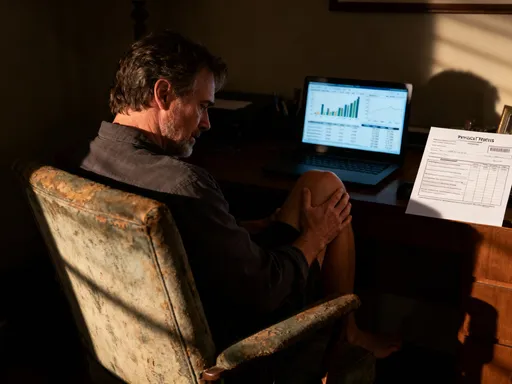
The first real step toward financial recovery isn’t paying off debt — it’s understanding it. Before you can fix a problem, you have to see its full scope. That’s why my first act was to gather every single statement, log into every account, and list every debt I owed. I used a simple spreadsheet: one column for the creditor, one for the current balance, one for the interest rate, and another for the minimum monthly payment. I included credit cards, medical bills, personal loans, and even money I owed to family members. No exceptions. This process took an entire Saturday, and it wasn’t easy. There were moments I wanted to stop, close the laptop, and go back to denial. But pushing through that discomfort was essential.
What I discovered was both alarming and clarifying. I had seven separate credit accounts, each with different interest rates and due dates. Some were as high as 24.99% APR, quietly compounding month after month. I also had two personal loans I’d taken out during emergencies, neither of which had been part of any long-term plan. Seeing it all in one place removed the fog. No longer could I pretend one card was “not that bad” or that a small balance would “take care of itself.” The spreadsheet didn’t judge me — it simply showed the truth. And in that truth, I found power. Knowledge is the foundation of control. Without it, any repayment plan is just guesswork.
Transparency is critical. Many people skip this step because it feels overwhelming or shameful, but avoiding it only prolongs the problem. When you know exactly what you owe, you can prioritize. High-interest debts cost more over time, so they often need urgent attention. Smaller balances, even at lower rates, can create psychological wins when paid off quickly. Some debts may have penalties for early repayment, while others offer grace periods or hardship programs. Understanding these details helps you make informed decisions. The goal isn’t to feel defeated by the numbers — it’s to use them as tools. This inventory becomes your financial map, guiding every decision ahead. It’s not about perfection; it’s about honesty. And once you’ve faced the full picture, you’re no longer reacting to crises — you’re leading the recovery.
Choosing the Right Repayment Strategy: Snowball vs. Avalanche
With a clear list in hand, the next question was: where to start? Two main strategies dominate personal finance advice: the debt snowball and the debt avalanche. Both are effective, but they work in different ways and suit different personalities. The debt snowball method, popularized by financial experts, focuses on motivation. You list your debts from smallest to largest balance, regardless of interest rate, and throw extra payments at the smallest one while making minimums on the rest. Once that debt is paid, you “roll” that payment amount into the next smallest debt, creating momentum — hence the term “snowball.” The psychological benefit is powerful. Paying off an entire account, even a small one, gives a sense of accomplishment that fuels persistence.
The debt avalanche, on the other hand, is mathematically optimal. You prioritize debts by interest rate, starting with the highest. This approach minimizes the total interest paid over time, which means you’ll likely save money and pay off debt faster. For someone focused on efficiency, this makes perfect sense. But it can be emotionally challenging. If your highest-interest debt is also your largest, progress may feel slow at first. You might make payments for months without closing an account, which can lead to frustration or discouragement. The avalanche saves more in the long run, but only if you stick with it.
I chose the snowball method — not because it was the most efficient, but because I needed wins. My smallest debt was a $450 medical bill. I redirected $200 from my grocery budget and paid it off in three weeks. The moment I got the confirmation email, I cried. It was the first time in years I’d completely eliminated a debt. That victory gave me energy. I moved to the next — a $1,200 credit card — and paid it off in two months. With each closed account, my confidence grew. I wasn’t just paying bills; I was winning battles. Meanwhile, my total interest costs were slightly higher than they would have been with the avalanche method, but the trade-off was worth it. I stayed consistent because I could see progress.
The right strategy depends on your temperament. If you’re analytical and patient, the avalanche may suit you. If you need motivation and visible milestones, the snowball could be your best ally. There’s no universal “best” method — only the one that helps you stay committed. Some people even combine both, using the snowball for small debts and switching to the avalanche for larger ones. The key is to choose deliberately, based on your goals and personality, not just what sounds impressive. A strategy only works if you follow it. And consistency, not speed, is what ultimately leads to success.
Cutting Costs Without Sacrificing Sanity
Repaying debt requires more money than you currently have available — either by earning more, spending less, or both. While boosting income is important, adjusting spending is often the fastest way to free up cash. The challenge is doing it sustainably. Many people slash their budgets so aggressively that they burn out within weeks. They cancel every subscription, eat only rice and beans, and avoid all social activities. Then, inevitably, they rebound — overspending to compensate — and the cycle repeats. Lasting change doesn’t come from deprivation. It comes from intentional choices that align with your values and lifestyle.
I started by tracking every dollar I spent for one month. I used a budgeting app to categorize expenses: housing, groceries, transportation, dining, entertainment, and so on. What surprised me was how much was leaking through small, automatic habits. I was spending $120 a month on coffee and snacks during workdays — more than my car insurance. I had three streaming services I rarely used. My phone bill was nearly $90 because I’d never renegotiated my plan. These weren’t luxury expenses; they were invisible drains.
I made changes that didn’t feel punitive. I switched to a cheaper phone plan, saving $35 a month. I canceled two streaming services and kept only the one I actually watched. I started packing lunch four days a week, cutting my food spending by nearly 40%. I called my credit card company and asked for a lower interest rate — and they agreed, reducing my APR by two percentage points. I also reviewed recurring bills like insurance and utilities, comparing rates and switching providers where possible. These weren’t heroic sacrifices — they were smart optimizations.
The goal wasn’t to live poorly, but to live purposefully. I kept spending on things that brought real joy — weekend outings with my kids, a monthly massage, a good bottle of wine on special nights. By cutting waste instead of joy, I avoided resentment. I also built flexibility into my budget. I created a “fun fund” of $75 per month — not much, but enough to go out for dinner occasionally without guilt. This balance made the plan sustainable. When you feel deprived, you’re more likely to quit. When you feel in control, you’re more likely to stay the course. Every dollar saved wasn’t just going toward debt — it was a vote for the future I wanted.
Boosting Income: Smart Side Hustles and Skills That Pay Off
While cutting expenses helped, I knew I needed to increase my income to make real progress. Relying solely on budgeting would have stretched my repayment timeline to years. I needed a boost — not a lottery win, but a realistic way to earn extra money without burning out. The key was finding opportunities that matched my skills, schedule, and energy level. I avoided anything that felt like a scam or promised unrealistic returns. Instead, I focused on legitimate, scalable side hustles that could grow over time.
I started by listing my marketable skills. I had years of experience in administrative work, strong writing abilities, and a knack for organizing. I created a simple profile on a freelance platform and began bidding on small projects: data entry, email management, and basic copywriting. My first gig paid $75 for five hours of work. It wasn’t life-changing, but it covered a credit card payment. As I delivered quality work and earned positive reviews, I attracted higher-paying clients. Within three months, I was earning $400 a month consistently. I directed every dollar straight to my debt.
I also explored ways to monetize hobbies. I enjoyed baking, so I started selling cookies and bread at a local farmers’ market on weekends. It required early mornings and some startup costs, but the profit margins were good, and the work felt rewarding. I priced items fairly, marketed them simply, and built a small but loyal customer base. That extra $200 a month made a difference. I wasn’t quitting my day job, but I was expanding my income streams.
Other options I considered — and that many have found success with — include virtual assistance, tutoring, pet sitting, or selling handmade goods online. The best side hustles share a few traits: low entry barriers, flexibility, and the potential to grow. They don’t require expensive certifications or large investments. More importantly, they leverage skills you already have. The goal isn’t to work yourself to exhaustion — it’s to work smarter. Even an extra $200 to $500 a month can accelerate debt repayment significantly. And as your financial pressure decreases, you gain mental space to think about long-term goals, not just short-term survival.
Building a Safety Net While Paying Debt
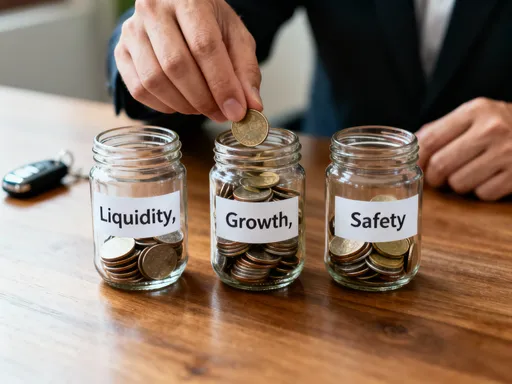
One of the biggest mistakes people make is waiting to build savings until all debt is gone. The logic seems sound: “I’ll save after I’m debt-free.” But life doesn’t wait. A flat tire, a broken appliance, or a medical co-pay can derail months of progress if you’re forced to use a credit card. That’s why I made a counterintuitive decision: I started a small emergency fund while still paying off debt. Financial experts often recommend this hybrid approach — attacking debt while protecting against setbacks.
I began with a $500 starter fund. It wasn’t much, but it was enough to cover minor emergencies without going further into debt. I kept it in a separate savings account, out of easy reach, so I wouldn’t be tempted to spend it. I contributed $25 a week from my side hustle earnings. It took eight months to reach the goal, but once it was there, my stress level dropped. I no longer feared small surprises. When my washing machine broke, I paid for repairs without hesitation. When my daughter needed new glasses, I didn’t panic. That fund became a shield.
Once the $500 was secure, I continued building toward a larger goal — three to six months of essential expenses. This wasn’t about luxury; it was about resilience. A true emergency fund prevents one crisis from becoming a financial avalanche. It also reduces the emotional weight of debt repayment. When you’re not living in constant fear of the next unexpected bill, you can focus on your plan with clarity and calm. Some argue that every extra dollar should go to debt, but without a buffer, you’re building on shaky ground. A single setback could undo months of discipline. By protecting progress as you make it, you create a more sustainable path to freedom.
Staying on Track: Habits, Mindset, and Long-Term Financial Health
Getting out of debt isn’t a one-time event — it’s a series of choices repeated over time. The real victory isn’t just paying off the last balance; it’s building the habits that keep you from returning to the same place. Discipline fades if it’s not supported by systems and mindset. That’s why I focused on creating routines that made good financial behavior automatic. I kept using my budgeting app, reviewed my spending weekly, and scheduled monthly “money dates” to assess progress. These small rituals kept me accountable without feeling burdensome.
Mindset played a crucial role. I replaced thoughts like “I’ll never get out of debt” with “I am becoming financially strong.” I celebrated milestones — not with spending, but with recognition. I posted a checklist on the fridge and checked off each paid-off account. I shared my journey with a trusted friend who held me accountable. These practices reinforced my identity as someone who manages money well, not someone who struggles with it.
As my debt shrank, I began shifting focus to long-term goals. I opened a retirement account and started contributing modestly. I built a larger emergency fund. I learned the basics of investing, not for quick gains, but for steady growth. Debt repayment had taught me patience, discipline, and the power of small, consistent actions — lessons that applied far beyond credit cards. I no longer saw money as an enemy, but as a tool I could master.
Today, I’m debt-free except for my mortgage, and my net worth is growing. But more importantly, I feel confident. I know I can handle setbacks because I’ve built systems to prevent them. I spend mindfully, save automatically, and plan intentionally. The journey wasn’t easy, but it was worth it. If you’re in debt, know this: you’re not alone, and you’re not broken. You just need a clear plan, the courage to start, and the patience to keep going. Financial freedom isn’t about perfection — it’s about progress. And every step forward counts.